

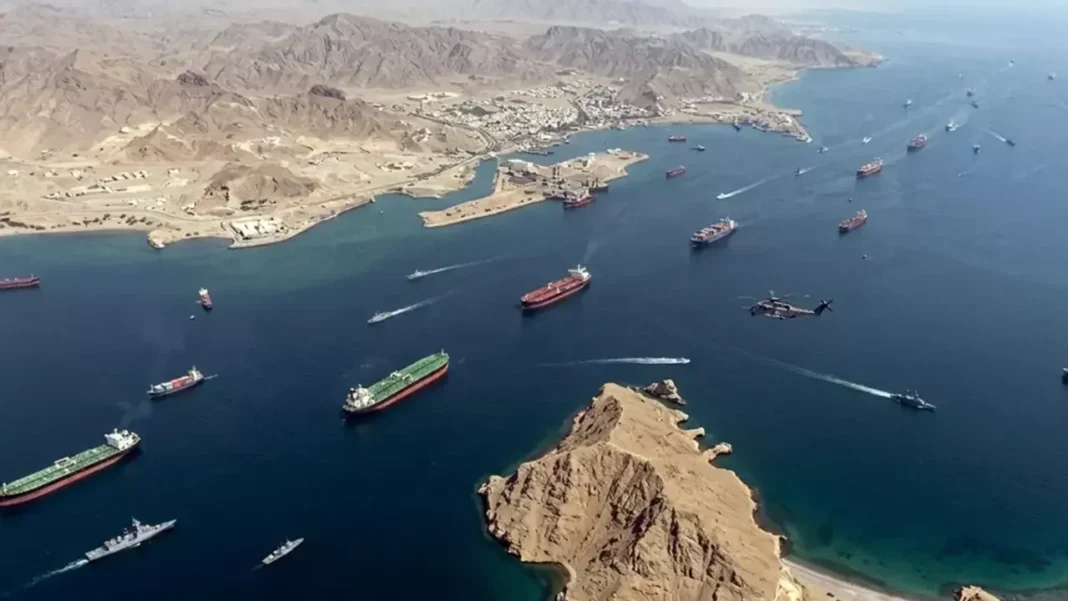
Iraq’s oil tanker deal with Hormuz marks a key step as Baghdad works to protect exports during regional instability. Moreover, the agreement aims to secure safe passage for Iraqi tankers. As a result, Iraq seeks to stabilize its oil flow despite ongoing disruptions.
First, Iraq reached an understanding with Iran to allow its oil tankers to move through the Strait of Hormuz. Officials confirmed that cooperation between both sides enabled this step. Therefore, Iraqi vessels can now navigate one of the world’s most critical energy routes.
Meanwhile, Iraq’s oil tanker deal, Hormuz, comes at a time of major shipping challenges. Tanker traffic has dropped, and security threats and regional conflict have also dropped sharply. Consequently, Iraq faces increasing pressure to maintain export levels. At the same time, global markets closely watch developments in the Gulf.
Furthermore, Iraqi officials stated that naval coordination plays a key role in the agreement. This cooperation ensures safer passage for oil shipments. As a result, Iraq hopes to avoid further disruptions in supply chains. In addition, the deal reflects a broader effort to reduce risks in maritime trade.
However, Iranian officials have issued cautious signals about access through the strait. They confirmed that the waterway remains open under certain conditions. At the same time, restrictions still apply to some countries. Therefore, uncertainty continues to affect shipping operations.
In addition, the Iraq oil tanker deal, Hormuz, highlights the importance of the strait for global energy flows. The Strait of Hormuz carries a large share of the world’s oil exports. Consequently, any disruption creates immediate global consequences. For Iraq, this route serves as a vital lifeline for southern oil terminals.
Moreover, Baghdad continues to explore alternative export routes. Officials are studying options through Türkiye, Jordan, and Syria. These routes could reduce dependence on the Gulf pathway. However, they require time and investment to become fully operational.
At the same time, analysts believe the agreement may offer short-term relief. It allows Iraq to maintain some export capacity during the crisis. Nevertheless, risks remain high across the region. Therefore, shipping companies still face uncertainty when operating in Gulf waters.
Additionally, the ongoing conflict continues to disrupt marine trade. Attacks and security threats have raised insurance costs and operational risks. As a result, many companies act cautiously when scheduling shipments. Consequently, global oil supply remains vulnerable to sudden changes.
In conclusion, the Iraq oil tanker deal Hormuz provides temporary support for exports. However, long-term stability depends on regional security improvements. If tensions continue, risks to oil transport will remain significant.