

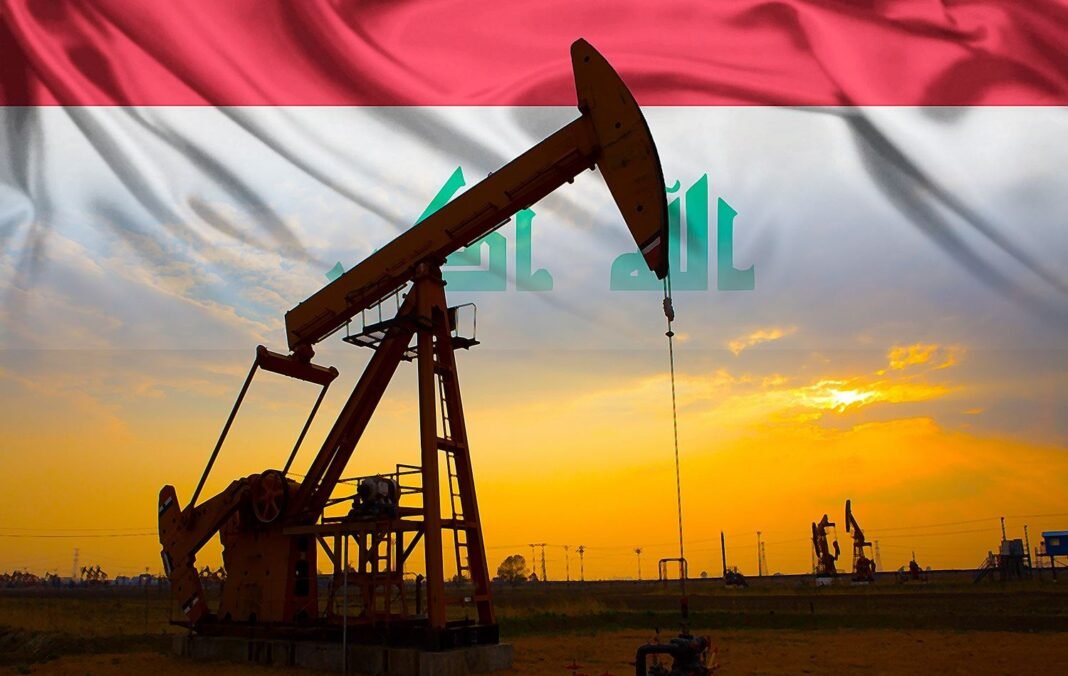
The Iraq oil stability risk grows as regional conflict expands between Iran and a U.S.-Israel alliance. Iraq now faces rising economic pressure and security challenges. Analysts warn that continued escalation could damage the country’s oil sector and long-term stability.
First, Iraq stands in a difficult geopolitical position. Baghdad maintains political and economic ties with Tehran. At the same time, Iraq cooperates with Western partners and international energy companies.
Therefore, the widening conflict places Iraq in a sensitive position. Regional tensions now affect security sites, oil routes, and economic planning.
The Iraq oil stability risk increases because oil exports support the country’s entire economy. Oil revenue funds most government spending and public salaries. Any disruption to exports can quickly affect economic growth.
Moreover, attacks and shipping disruptions now threaten regional energy routes. Instability around the Strait of Hormuz creates uncertainty for global oil shipments.
This waterway remains one of the world’s most important energy corridors. Many Gulf oil shipments pass through this route every day. Consequently, tensions there can affect global energy markets and Iraq’s exports.
In addition, strikes linked to Iran-aligned militias create new risks inside Iraq. Some attacks have targeted military sites and infrastructure across the country.
Security experts warn that these incidents could expand if the regional conflict intensifies. As a result, Iraq may face increased pressure on its domestic security environment.
The Iraq oil stability risk also affects international investment. Global energy companies have invested billions of dollars in Iraq’s oil and gas industry.
Major firms continue to operate in several large projects across the country. These companies play a major role in developing oil fields and expanding production capacity.
However, rising instability could discourage new investments. Companies often review security risks before committing long-term capital.
In the past, some international companies reduced operations after security challenges. One major company previously withdrew from Iraqi projects after spending billions of dollars.
Therefore, analysts now warn that renewed instability could create similar concerns. Investors may reconsider future expansion plans if the conflict continues.
Meanwhile, Iraq recently experienced several years of relative stability. During that period, infrastructure projects increased, and economic activity improved.
Foreign investors also showed renewed interest in energy and development projects. These improvements helped support economic growth across the country.
However, the expanding regional conflict now threatens those gains. Political analysts warn that Iraq could become a central arena in the wider confrontation.
Military actions linked to the United States and Israel target Iranian interests across the region. At the same time, Iran-aligned militias continue operations in several areas.
This complex security environment increases pressure on Iraq’s political leadership. Officials must balance relations with multiple regional and international partners.
Many Iraqi citizens worry about the consequences of this situation. They fear that the country could once again suffer from external conflicts.
For ordinary Iraqis, economic stability remains the main concern. If oil exports decline, government revenues could shrink quickly.
Such a scenario could affect public services, infrastructure projects, and job opportunities. Therefore, protecting the oil sector remains a national priority.
Ultimately, Iraq’s leadership must navigate a difficult path. They must protect national stability while avoiding deeper involvement in regional conflict.