

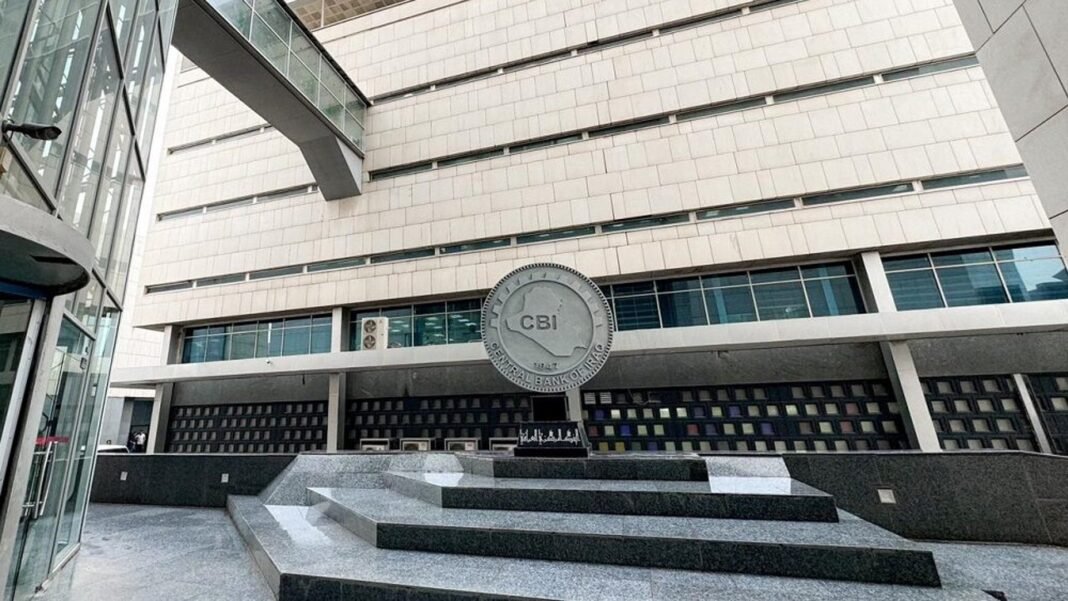
Iraq’s financial authorities confirmed strong currency reserves. The Iraq foreign reserves cover 12 months of imports and support economic stability. Officials reviewed financial conditions during a special board meeting.
First, the Central Bank leadership examined key economic indicators. They reviewed recent developments in domestic and international markets. At the same time, they analyzed financial trends affecting Iraq’s economy.
Moreover, the board studied liquidity levels across the banking sector. Banks must maintain enough cash to support daily operations. Therefore, officials closely monitored financial flows within the system.
In addition, the meeting reviewed changes in the national money supply. Policymakers often track these changes to guide monetary decisions. Consequently, they used the data to evaluate economic stability.
The board also examined foreign currency requirements. Iraq relies heavily on foreign currency for trade and imports. Therefore, policymakers focus on maintaining adequate reserves.
Importantly, the Iraq foreign reserves cover 12 months of imports. This level shows strong financial protection against global shocks. As a result, authorities believe the country can manage potential economic risks.
Furthermore, the board evaluated banking sector performance. Officials reviewed financial stability indicators across Iraqi banks. These indicators help measure resilience during economic pressure.
At the same time, the board analyzed external trade activity. Trade flows directly affect currency demand and financial liquidity. Consequently, officials studied payment movements and international transfers.
Regional and global economic developments also shaped the discussion. The board assessed possible risks from international economic changes. Therefore, policymakers considered scenarios that could affect Iraq’s economy.
Officials explained that strong reserves remain a key priority. The Iraq foreign reserves cover 12 months of imports and strengthen monetary policy flexibility. Because of this buffer, Iraq can respond to market disruptions.
The board also emphasized maintaining strong financial safeguards. These safeguards help absorb economic shocks during uncertain global conditions. Therefore, policymakers aim to preserve reserve strength.
Another major priority focuses on government payments. Authorities stressed the importance of paying public salaries and essential spending. These payments support economic stability and household income.
Meanwhile, the board highlighted the importance of banking liquidity. Banks must provide stable services for citizens and businesses. Therefore, policymakers support measures that strengthen daily financial operations.
In addition, the board stressed smooth international financial transfers. Efficient transfers help companies pay for imports and international trade. As a result, markets maintain steady supply chains.
The Iraq foreign reserves cover 12 months of imports, which supports stable trade activity. Businesses rely on this stability when planning imports and payments. Consequently, financial confidence improves across the market.
Officials also emphasized the role of public trust. Confidence in banks supports economic growth and investment. Therefore, authorities continue strengthening financial sector resilience.
Overall, policymakers aim to protect Iraq’s financial system. Strong reserves and stable banking operations support long-term economic stability. Consequently, authorities remain focused on careful financial management.