

Global markets now face a sharp oil shock. The oil explosion above $110 now dominates headlines worldwide. This sudden rise shocks investors and energy markets alike.
First, global oil prices jumped above $110 per barrel. This marks the highest level since recent market peaks. The surge followed a major crisis near the Strait of Hormuz. As a result, traders reacted quickly and pushed prices higher.
Meanwhile, benchmark Brent crude and U.S. West Texas Intermediate surged strongly. Both prices jumped more than 25 percent during overnight trading. Consequently, markets saw one of the fastest rallies in decades.
In addition, the oil explosion above $110 reflects growing fears about supply disruption. Traders now worry about shipping routes and tanker safety. Therefore, energy markets react with strong volatility.
Furthermore, Brent crude gained more than 50 percent since the conflict started. At the same time, WTI crude surged almost 60 percent. These numbers show how quickly energy markets can change during geopolitical crises.
However, the impact did not stop at oil markets. Global stock markets reacted with caution. U.S. stock futures declined as investors feared economic instability.
For example, futures linked to the S&P 500 dropped about 1.5 percent. Nasdaq 100 futures also declined by roughly the same level. Meanwhile, Dow Jones futures lost around 2 percent. Investors clearly fear a wider regional conflict.
Earlier tensions already worried energy traders. Military strikes targeting Iranian facilities intensified the regional conflict. Soon after, retaliation increased instability across the Middle East.
Consequently, the crisis spread beyond one country. Several nations now watch the situation carefully. Regional infrastructure and shipping routes face growing risk.
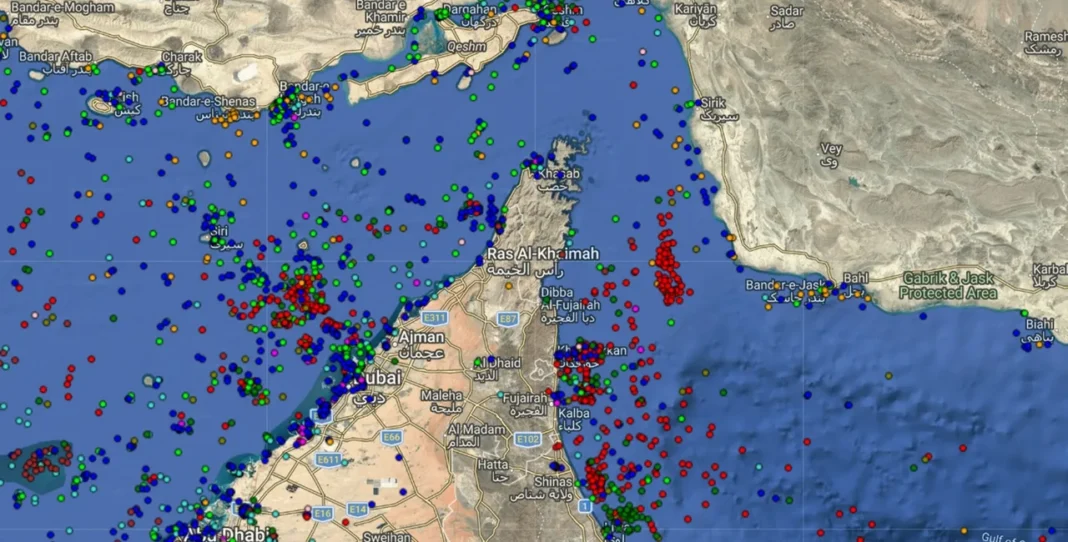
The Strait of Hormuz now stands at the center of the crisis. This narrow waterway connects the Persian Gulf to international shipping lanes. Therefore, global energy supply depends heavily on this route.
Normally, about one-fifth of global seaborne oil flows through this strait. That equals nearly 20 million barrels every day. However, tanker traffic now faces severe disruption.
As a result, analysts estimate that around 16 million barrels daily cannot reach global markets. This sudden shortage pushes prices upward rapidly.
Because of this disruption, the oil explosion above $110 now worries governments and businesses worldwide. Energy strategists warn that the situation could worsen quickly.
Some analysts even predict extreme scenarios. A disruption lasting several weeks could push prices toward $150 per barrel. Therefore, global markets watch developments closely.
Meanwhile, regional tensions continue to spread. Missile and drone attacks appear across several Middle Eastern countries. These attacks target airports, military sites, and residential areas.
In addition, airstrikes reportedly hit fuel depots near major Iranian cities. Thick smoke covered parts of urban areas after these strikes.
Consequently, the wider region now faces security and economic risks. Global investors also worry about long-term supply disruptions.
Ultimately, the oil explosion above $110 highlights how geopolitical conflict shapes global energy markets. If tensions continue, markets could face deeper shocks ahead.