

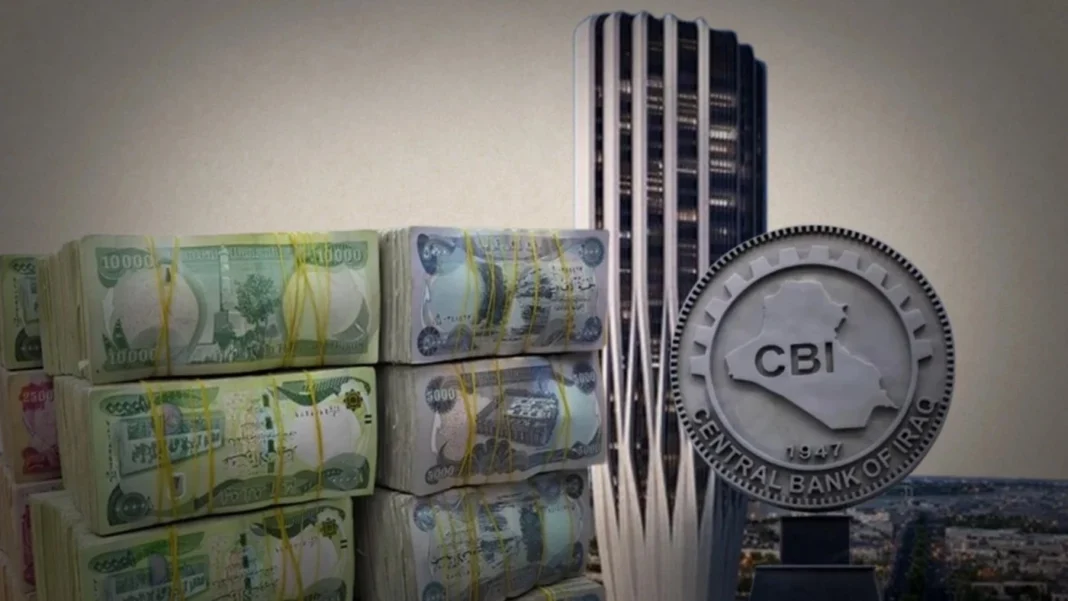
Iraq confirmed a stable exchange rate policy and rejected fears of currency volatility. The Central Bank stressed that the dinar will not fluctuate. Officials said strong reserves support the stable exchange rate policy.
First, the Central Bank governor addressed concerns about currency swings. He stated that Iraq holds solid gold and foreign currency reserves. Therefore, the bank faces no pressure on liquidity. He also confirmed continued dollar injections into the market. These measures protect the stable exchange rate policy.
Moreover, the bank continues to monitor market conditions closely. Officials aim to prevent speculation and illegal currency flows. As a result, the bank strengthens oversight mechanisms. This approach reinforces confidence in the stable exchange rate policy.
In addition, the governor emphasized the need to reduce cash dependence. He explained that heavy cash usage no longer fits modern financial systems. Instead, Iraq must expand digital and electronic payments. Consequently, the bank promotes faster and safer transaction methods.
Furthermore, electronic payment systems now simplify daily transactions. Citizens and companies save time and money through digital platforms. Authorities believe digital systems increase transparency across financial operations. Therefore, the shift toward technology supports long-term economic stability.
The Central Bank has introduced several electronic reforms in recent years. These reforms aim to expand financial inclusion nationwide. They also target illicit currency movements. By doing so, officials protect monetary stability and strengthen the banking sector.
Meanwhile, cooperation with the Kurdistan Regional Government plays a key role. Officials seek to unify banking systems across Iraq. They also want to integrate electronic services between federal and regional institutions. This coordination enhances efficiency and supports the stable exchange rate policy.
Additionally, the launch of the “E-Psule” electronic receipts initiative reflects public and private sector cooperation. The initiative provides secure and traceable transaction records. Therefore, businesses can operate with more transparency and accountability.
Notably, Iraq continues to modernize its financial infrastructure. Authorities plan to diversify capital markets and encourage investment. They also seek to reduce informal cash-based transactions. These steps will improve investor confidence and economic resilience.
Overall, Iraq strengthens its financial framework through policy discipline and digital reform. Strong reserves, dollar liquidity, and electronic expansion protect monetary stability. The stable exchange rate policy remains central to Iraq’s economic strategy.