

Iraq moves toward a major economic change through a clear Iraq energy export shift. The prime minister confirmed a national plan to export refined oil products globally. This step marks a turning point for the country’s energy strategy. Moreover, officials link energy development directly to economic strength.
First, Iraq energy export shift reflects a broader vision for the energy sector. Leaders no longer see energy as a simple trade activity. Instead, they connect energy with social stability and political planning. Therefore, the government treats energy as a national priority.
Next, the prime minister emphasized deep reforms across the energy industry. The government focuses on value creation rather than raw exports. This strategy aims to increase national income. As a result, refined products will replace crude dependence.
In addition, Iraq energy export shift targets a clear production balance. Officials plan to export a large share of oil derivatives. This goal supports budget stability and market diversity. Consequently, Iraq can reduce economic risk.
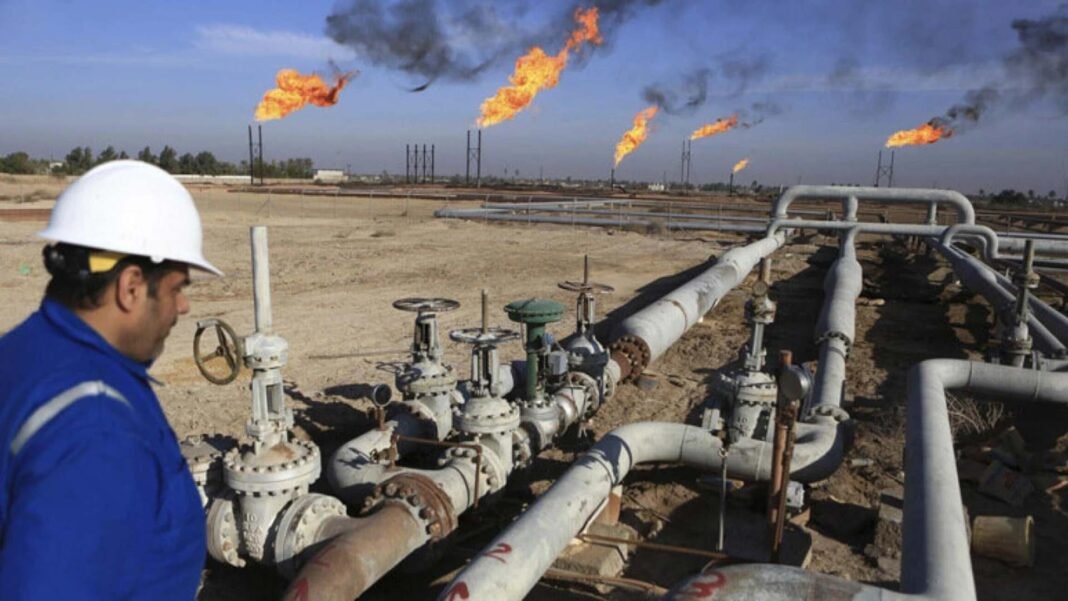
Moreover, recent energy discoveries strengthened this strategy. Increased associated gas production now supports industrial expansion. For many years, gas flaring caused heavy losses. Now, the government pushes full gas utilization.
Furthermore, officials committed to ending waste in gas resources. They aim to use gas for power and industry. This approach improves efficiency and protects the environment. At the same time, it reduces fuel imports.
Meanwhile, electricity development supports the Iraq energy export shift. Integrated planning boosted national power output to record levels. This progress eased pressure on the electricity grid. Citizens now see stronger summer supply stability.
Additionally, electricity reforms improved transmission and distribution systems. Better coordination reduced outages and technical losses. Therefore, energy infrastructure now supports industrial growth. This foundation helps future export ambitions.
At the same time, the government plans major expansion in power generation. Authorities announced dozens of new power plants. These projects rely on partnerships with specialized companies. Together, they aim to meet rising national demand.
Moreover, higher electricity capacity supports refineries and factories. Industrial zones require stable and continuous power. Thus, energy reforms link directly to oil derivative exports. This integration strengthens economic resilience.
In parallel, the government encourages private sector participation. Officials want global expertise and modern technology. These partnerships accelerate project delivery. They also improve efficiency and transparency.
Furthermore, the energy strategy aligns with long-term development goals. Iraq wants to diversify income sources. Refined exports create more jobs than crude exports. Therefore, the plan supports social growth.
Importantly, officials stressed national coordination. Ministries now align energy, industry, and education policies. This alignment prepares skilled workers for future needs. It also ensures sustainable progress.
Additionally, regional energy cooperation remains a priority. Iraq seeks balanced relations with energy partners. Exporting derivatives strengthens Iraq’s market position. This role increases regional influence.
Finally, the Iraq energy export shift represents confidence and ambition. The country invests in infrastructure, planning, and human capital. These efforts signal readiness for global markets. Therefore, Iraq moves toward a stronger economic future.