

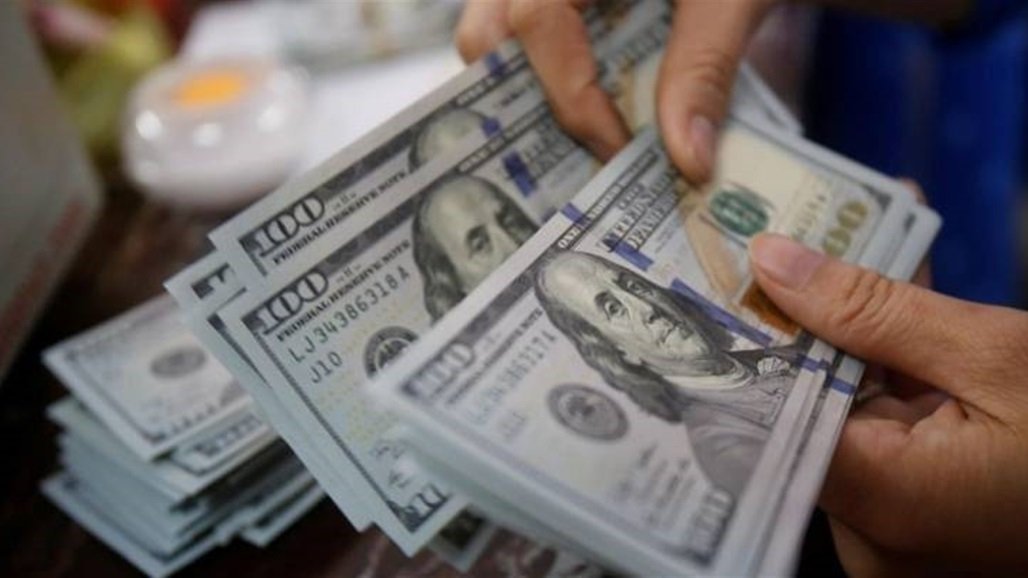
The Iraq dollar exchange rate moved higher in major cities. Therefore, traders closely watched market activity from early hours. Moreover, currency demand increased across local exchanges. As a result, the dollar gained strength against the dinar.
In Baghdad, trading activity showed clear upward movement. Specifically, central exchanges recorded higher dollar prices. Consequently, traders adjusted rates to match rising demand. Meanwhile, buyers accepted higher costs to secure dollars.
At the same time, exchange shops changed their pricing strategies. Sellers raised asking prices across Baghdad markets. In contrast, buyers offered slightly lower rates. However, the gap reflected active and cautious trading behavior.
Meanwhile, Erbil followed a similar trend. Currency shops increased selling prices noticeably. Therefore, the market reflected strong dollar demand. In addition, buying prices stayed close to selling levels. This pattern showed tight market conditions.
The Iraq dollar exchange rate remained near a key psychological level. Traders viewed this level as important for short term direction. Consequently, small movements attracted strong attention. Moreover, speculators reacted quickly to price changes.
Across Baghdad, major exchanges drove the trend. Traders relied on central market signals. Therefore, smaller shops followed the same direction. This alignment created unified pricing across districts.
In Erbil, regional dynamics also played a role. Local demand supported higher dollar values. Additionally, cross border trade influenced currency needs. As a result, prices climbed steadily.
Furthermore, market participants cited liquidity factors. Limited dollar supply pushed prices upward. Meanwhile, steady dinar demand failed to offset pressure. Thus, the Iraq dollar exchange rate continued rising.
Economic uncertainty also influenced sentiment. Traders preferred holding dollars for stability. Therefore, demand increased during trading sessions. Moreover, cautious behavior limited rapid corrections.
Currency dealers emphasized daily fluctuations. They noted that rates respond quickly to supply changes. Consequently, short term volatility remained possible. However, current momentum favored the dollar.
Additionally, differences appeared between buying and selling prices. These differences reflected operational costs and risk margins. Therefore, shops adjusted spreads accordingly. This behavior remained common across cities.
The Iraq dollar exchange rate also reflected broader economic signals. Import needs increased demand for foreign currency. Moreover, business transactions required stable dollar access. As a result, pressure persisted.
Despite the rise, markets avoided sharp spikes. Traders preferred gradual movement over sudden jumps. Therefore, rates climbed steadily. This approach reduced panic and speculation.
Looking ahead, traders expect continued monitoring. Any policy signals could influence rates quickly. Moreover, supply adjustments may ease pressure. However, demand trends still dominate.
In Erbil and Baghdad, coordination remained visible. Prices moved in parallel throughout the day. Consequently, arbitrage opportunities stayed limited. This balance supported market stability.
Overall, the Iraq dollar exchange rate showed upward momentum. Demand strength outweighed selling pressure. Moreover, trader sentiment favored caution. Therefore, markets stayed alert and responsive.
In conclusion, currency markets reflected active participation. Baghdad and Erbil both recorded higher rates. As a result, the dollar maintained its position. The Iraq dollar exchange rate will remain under close watch.