

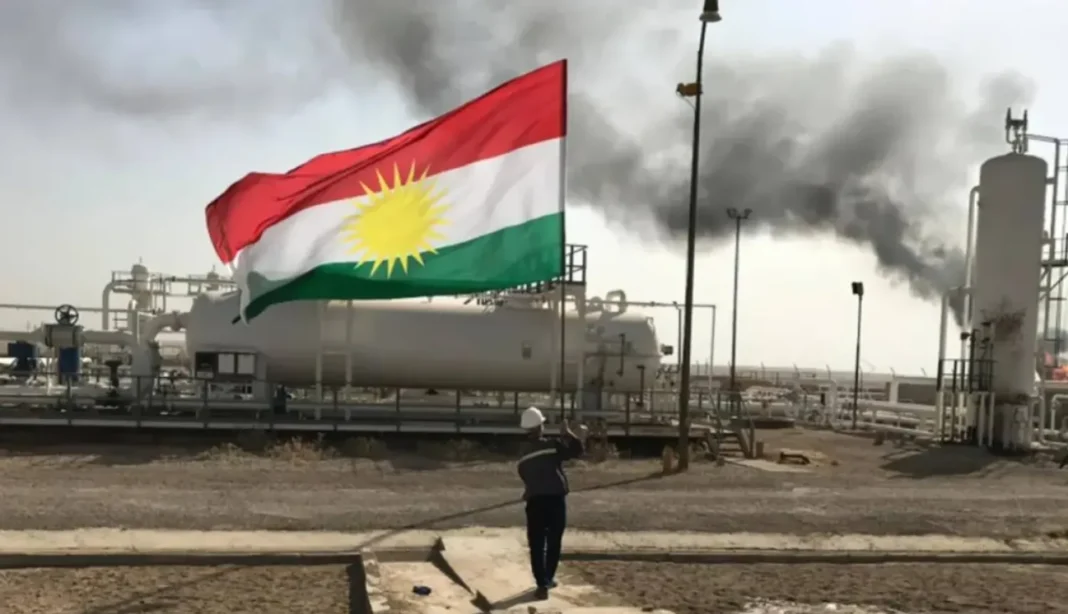
Iraq continues to attract foreign energy investment through steady production growth in the north. First, a Norwegian energy company expanded its operations in the Kurdistan region. As a result, Iraqi Kurdistan oil output increased through higher activity at a major oilfield. Moreover, company officials highlighted strong performance and improved efficiency. Therefore, production growth reflected planning rather than coincidence.
At the same time, output from the Tawke oil field rose sharply. Specifically, daily production climbed by more than thirty thousand barrels. Consequently, total regional output reached over seventy-seven thousand barrels per day. In contrast, the previous quarter showed much lower figures. Thus, the increase marked a significant operational shift.
Furthermore, company managers credited improved well performance for the growth. In addition, better field management supported sustained output levels. As a result, quarterly production expanded faster than earlier expectations. Meanwhile, regional infrastructure handled the higher volumes without disruption.
Annual production also showed clear improvement across periods. For example, output exceeded levels recorded during earlier comparable quarters. Therefore, long-term investment strategies delivered visible results. Moreover, consistent drilling plans supported steady gains over time. Consequently, Iraqi Kurdistan oil output strengthened its role in national energy supply.
In addition, the company prepared to reach a major production milestone. Officials confirmed progress toward producing five hundred million barrels from Tawke. As part of this effort, activity levels increased across the license area. Thus, management focused on maximizing value from existing assets.
Meanwhile, drilling operations prepared to restart after a long pause. Previously, the company halted drilling for more than two years. However, leaders decided to resume work to support future output. Therefore, engineers planned a new production well targeting a shallow reservoir.
Moreover, the company outlined ambitious growth targets. Executives aimed to raise total operational production significantly. Specifically, leaders targeted one hundred thousand barrels per day. Consequently, expansion plans focused on both efficiency and scale.
The Tawke license includes two major oil fields in the region. These fields rank among the largest producers in Iraqi Kurdistan. Additionally, multinational expertise supports field development and operations. As a result, the license remains central to regional oil strategy.
Beyond Iraq, the company maintains operations in several other countries. For instance, it works in Europe, Africa, and the Middle East. Nevertheless, Iraqi Kurdistan remains one of its core production areas. Therefore, Iraqi Kurdistan oil output continues to receive strong corporate attention.
Overall, northern Iraq strengthens its energy position through rising production. Consequently, regional output supports broader national economic goals. Moreover, increased oil flows encourage investment confidence. Finally, Iraq benefits from stable growth driven by disciplined energy planning.