

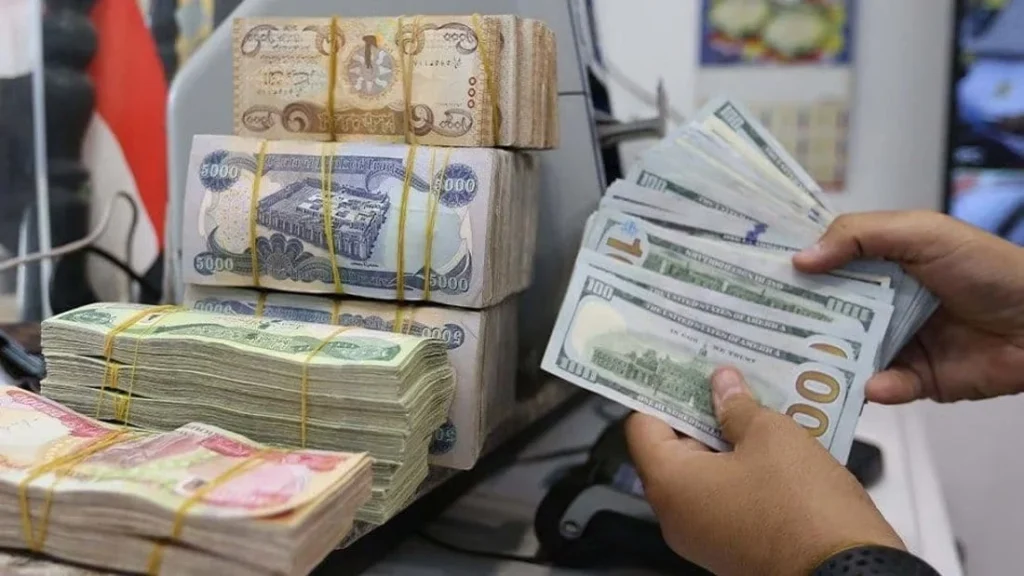
Iraq budget exchange rate guides fiscal planning across the country. Therefore, authorities fixed a clear benchmark for spending. Moreover, this rate supports stability in public finance. Consequently, confidence improves among institutions.
The Central Bank set the official rate at 1,300 dinars per dollar. This rate follows established monetary policy. Additionally, it aligns budget planning with currency management. Thus, coordination strengthens between institutions.
Officials stressed consistency in exchange policy. They maintained the same benchmark across fiscal planning. Therefore, markets avoid confusion. Clear signals support economic expectations.
Economic advisers highlighted strong coordination. Fiscal and monetary tools now work together. Moreover, authorities aim for balanced outcomes. This approach reduces uncertainty.
The decision reflects confidence in foreign currency reserves. Reserves support currency stability. Therefore, the bank manages pressure effectively. Trust in oversight increases.
The move also signals limited dinar strengthening. Authorities carefully calibrated this adjustment. As a result, inflation risks remain controlled. Stability remains the priority.
From a fiscal view, policy direction has shifted. Authorities avoid indirect financing methods. Instead, they rely on core fiscal tools. Therefore, discipline improves.
Revenue alignment now plays a central role. Spending control gains importance. Moreover, transparency supports accountability. Budget management becomes clearer.
The decision encourages responsible fiscal behavior. Ministries must use approved instruments. Consequently, overspending risks decline. Governance improves gradually.
Monetary independence remains protected. The central bank maintains authority. Therefore, policy credibility strengthens. Markets respond positively.
Inflation containment remains a key objective. Stable exchange levels help pricing. As a result, consumer expectations remain anchored. Purchasing power gains support.
Economic stability stands at the core of planning. Authorities focus on long-term balance. Moreover, they avoid sudden policy shifts. Predictability matters greatly.
The Iraq budget exchange rate also supports planning accuracy. Ministries forecast costs more effectively. Therefore, project execution improves. Delays decrease.
Private sector observers welcomed clarity. Businesses plan contracts with confidence. Moreover, import costs remain predictable. Trade activity benefits.
Banks also rely on clear benchmarks. Lending and settlements use official guidance. Thus, financial operations stay smooth. Liquidity management improves.
Policy advisers emphasized macroeconomic balance. Fiscal tools must match monetary goals. Consequently, coordination avoids conflict. Stability deepens.
The approach reflects lessons from past volatility. Authorities now prefer caution. Moreover, they prioritize sustainability. Short-term gains matter less.
The Iraq budget exchange rate supports investor confidence. Predictable policy attracts interest. Therefore, capital flows may improve. Risk perception declines.
International partners also watch exchange policy. Clear frameworks support cooperation. Moreover, credibility enhances negotiations. Trust builds steadily.
The decision reinforces national economic priorities. Stability and discipline lead the agenda. Consequently, institutions align goals. Policy coherence strengthens.
Overall, Iraq budget exchange rate clarity marks a strategic step. Authorities send a positive signal. Moreover, coordination underpins confidence. Economic balance remains the target.