

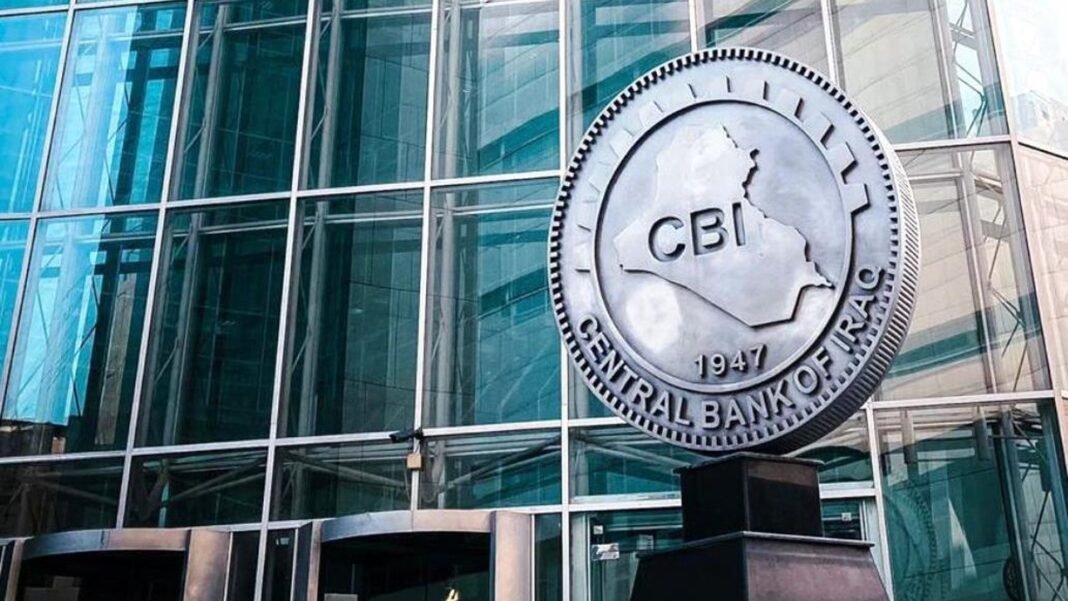
Iraq is advancing its banking reforms to strengthen the financial system and restore confidence. The Central Bank of Iraq leads these efforts with clear strategies for modernizing the sector. Many institutions now follow the new reform plan to ensure full compliance with global standards.
Governor Ali Mohsen Al-Alaq emphasized that Iraq’s banking reform program is comprehensive. It addresses structural weaknesses and promotes transparency across all banks. He also highlighted the role of international consultancy Oliver Wyman in guiding these reforms. The consultancy supports Iraqi banks in aligning operations with global regulations. This collaboration ensures banks operate safely and efficiently.
The Governor noted that restrictions on dollar transactions affected some banks temporarily. However, all banks have now signed the reform agreement. Compliant banks will gradually regain the ability to transact in foreign currencies. Authorities plan a phased approach under careful monitoring. This method ensures stability while reforms are implemented.
Moreover, Iraq focuses on digital transformation through the digital dinar project. Al-Alaq explained that the initiative is underway but requires strong infrastructure and time to succeed. Once launched, the digital dinar will enhance the efficiency of payments and financial services. This step aligns with the country’s broader modernization goals.
Al-Alaq also stressed the importance of price stability. The Central Bank maintains low inflation by keeping the official exchange rate steady. He warned that devaluing the dinar could harm low-income households and reduce trust in the currency. Instead, he urged that fiscal gaps be addressed through reforms. These include strengthening domestic revenues, controlling spending, and diversifying the economy. Such steps support sustainable growth and government strategy.
The banking reform plan also emphasizes transparency and international cooperation. Experts expect that these reforms will improve investor confidence and attract foreign investment. They will also make daily financial operations safer and more predictable for Iraqis.
In addition, banks are adopting modern technologies to track transactions more effectively. This approach strengthens compliance and reduces financial risks. Citizens benefit as services become faster and more reliable.
Overall, Iraq is taking decisive steps to modernize its banking system. The banking reform program strengthens stability, supports digital innovation, and ensures sustainable economic growth. The Central Bank’s careful approach balances reform with protection of citizens’ interests.