

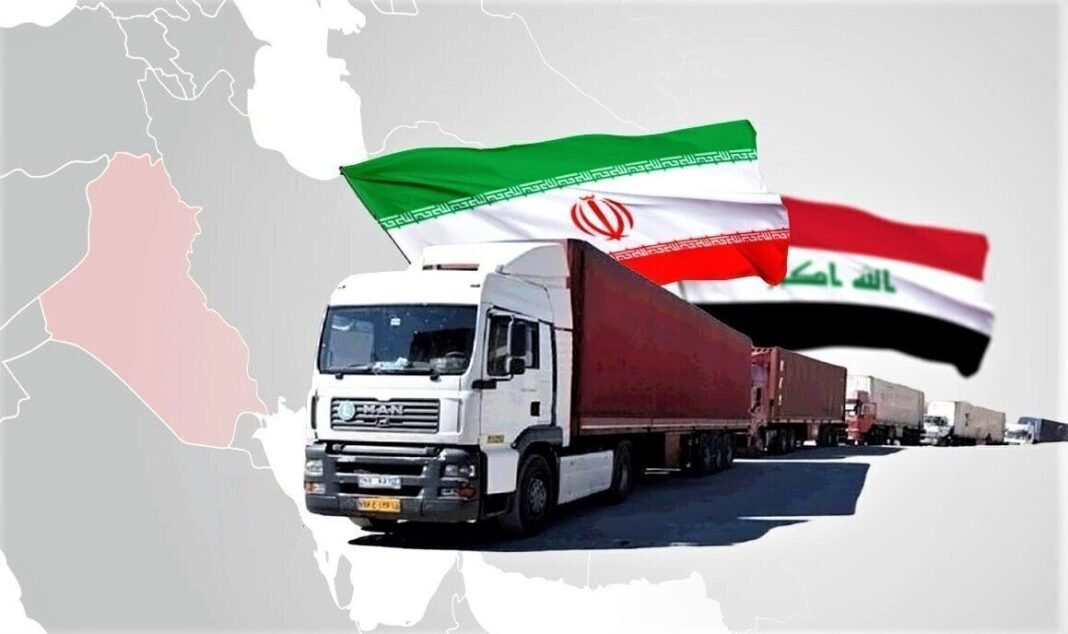
The Iran–Iraq market link grows stronger as both countries push their commercial ties forward. Iranian officials highlight new goals, and Iraqi demand continues to influence trade decisions. The Iran–Iraq market link becomes more important each year, especially as economic shifts reshape regional supply chains.
Iranian business leaders study the current situation carefully and warn about major challenges. They explain that Iran risks losing more ground in Iraq without serious updates to its commercial systems. They call for modern tools, better planning, and more cooperation between economic institutions. These leaders believe that the Iran–Iraq market link still offers large opportunities, but only active strategies can protect them.
Yahya Al-e-Eshaq leads the Iran-Iraq Joint Chamber of Commerce and gives a detailed picture of recent trade activity. He states that formal trade reached $12 billion last year. Informal exchanges increase the number to nearly $15 billion. He believes both sides can reach the long-term target of $20 billion. He also stresses the importance of clear policy steps to reach that level.
Iran supplies many goods to Iraq with strong demand across several categories. These include food, construction materials, engineering services, detergents, agricultural items, and medical tourism services. Iran also sells leisure tourism packages to many Iraqi families. These products give Iran nearly 20 percent of Iraq’s consumer market. Iranian officials celebrate this share, yet they also worry about increasing competition.
However, many obstacles still slow progress. Iranian exporters face customs issues, standards rules, transit delays, and complex visa procedures. They also deal with fragmented decision-making inside several Iranian institutions. These problems reduce trade speed and weaken market confidence. Business leaders demand faster solutions because Iraqi companies expect reliable supply chains.
Seyed Taha Hossein Madani leads the Smart Governance Think Tank. He studies export potential and explains that Iran still holds huge untapped opportunities. He highlights dairy exports, which reached 660,000 tons worth more than $1 billion. More than half of this amount goes to Iraq. He also points to potato exports worth $15 million. He argues that agriculture still offers strong growth for Iranian exporters.
Madani also stresses the importance of construction materials. Iran once dominated this sector, yet its market share continues to shrink. He believes stronger strategies can help regain lost ground. He also highlights iron and steel exports worth $1.4 billion. Iraq buys more Iranian steel than any other country. The Iran–Iraq market link gains strength from these sectors, yet new planning remains essential.
He warns that weak commercial strategy allowed Iran to lose ground in several neighbouring markets. He urges officials to develop central plans, digital tools, and stronger cooperation.
Overall, both countries show strong interest in deeper trade. The Iran–Iraq market link continues to shape one of the region’s largest commercial relationships.