

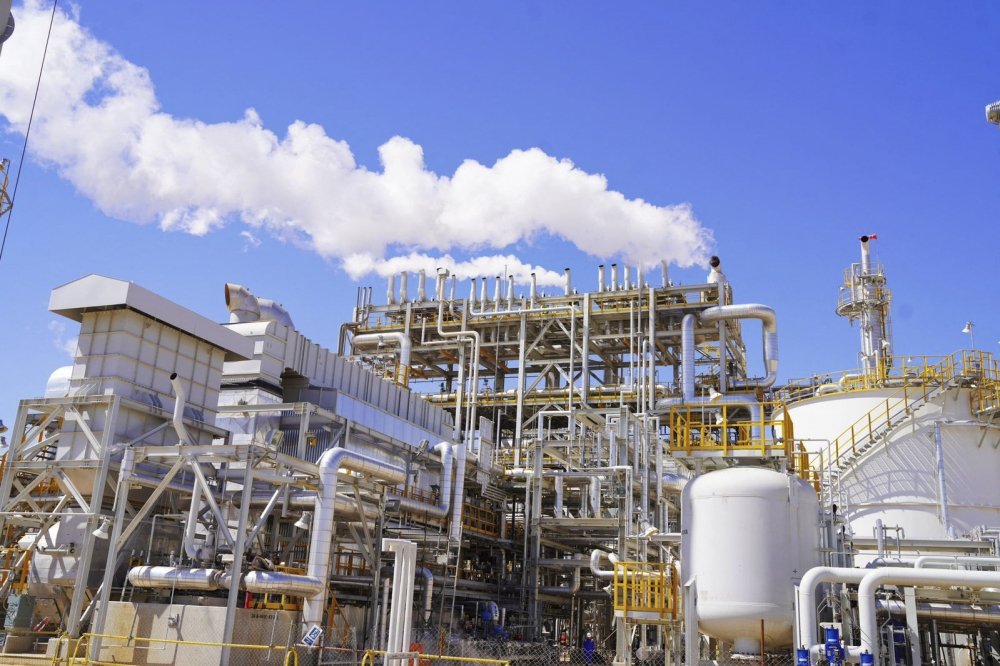
Iraq has started trial operations at two major refineries in the north as part of its plan to cut fuel imports and achieve energy independence. The Oil Ministry said the move represents a key milestone in Iraq refinery expansion efforts and the country’s broader strategy to reach fuel self-sufficiency.
Therefore, engineers designed the North Refinery-2 and Saladin Refinery-3 in Kirkuk to process 70,000 barrels of crude oil per day each. Together, they will add 140,000 barrels to Iraq’s total refining capacity once they become fully operational. The facilities aim to strengthen domestic production, improve fuel quality, and turn Iraq from a fuel importer into an exporter.
Additionally, Deputy Oil Minister for Refining Affairs Adnan Mohammed Hammoud called the projects a landmark achievement. He emphasized that Iraqi engineers built the facilities entirely without foreign contractors. Hammoud said as Iraq has started the successful construction proves Iraq’s growing technical ability to handle complex industrial projects.
Furthermore, technical testing of the refineries’ production units has already begun. The ministry expects full commercial operations within a few months. Once operational, the plants will produce large volumes of diesel and gasoline to meet national demand.
Additionally, a senior official at the North Refineries Company told Shafaq News that the two refineries will reduce Iraq’s reliance on imported fuel and create thousands of local jobs. He added that surplus production will be exported after domestic needs are satisfied. The development is expected to enhance fuel distribution across northern and central Iraq, making the supply network more stable and efficient.
Economic analyst Ali Khalil described the launch as a turning point for Iraq’s energy economy. He said the new refining capacity will save millions of dollars in foreign currency by cutting import costs. Khalil also noted that the project will boost provincial revenues and strengthen Iraq’s industrial base.
The government views these projects as a cornerstone of Iraq refinery expansion and a step toward energy security. By increasing refining output, Baghdad hopes to reduce dependency on imported fuel while creating sustainable jobs. The successful operation of these refineries will move the country closer to complete energy independence.