

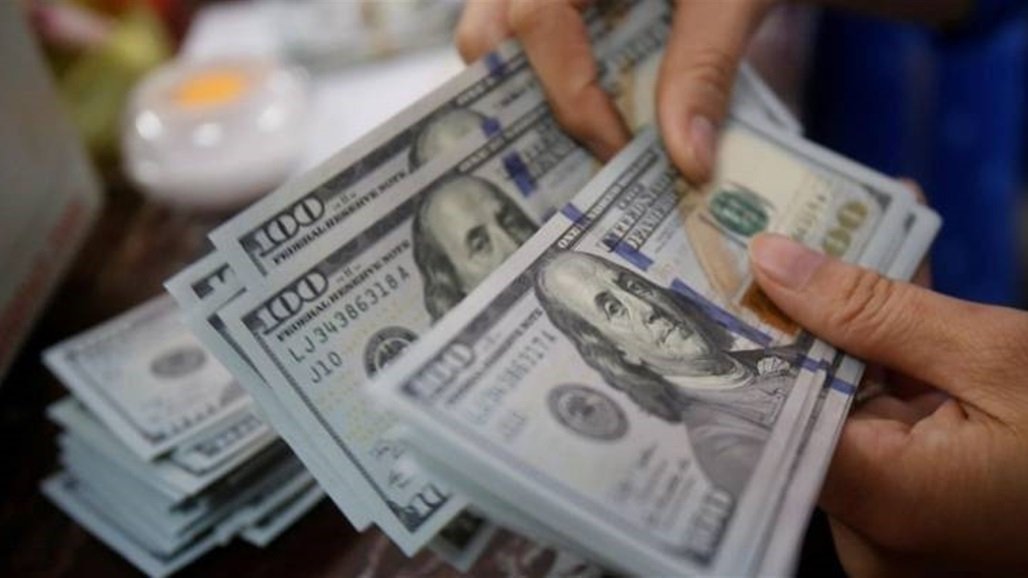
The US dollar edged higher against the Iraqi dinars in Baghdad and Erbil, reflecting renewed demand for foreign currency in commercial transactions. The rise follows short-term pressures from import-related payments and seasonal business cycles, rather than deep structural changes in the market.
The dollar’s rate opened at 141,200 dinars per 100 dollars at Baghdad’s central Al-Kifah and Al-Harithiya stock exchanges, up from 141,000 dinars on Sunday. Currency exchange shops in Baghdad sold the dollar at 142,250 dinars per 100 dollars and bought it at 140,250 dinars. In Erbil, the selling price reached 140,950 dinars per 100 dollars, while the buying rate stood at 140,850.
Analysts explained that Baghdad’s slightly higher rates reflect increased demand from importers and travelers, whereas Erbil’s relative stability shows controlled supply and a balanced local market. Short-term fluctuations, they noted, are largely tied to transactional flows and not long-term shifts in the Iraqi economy.
The Central Bank of Iraq continues to oversee the market closely. Its advanced digital monitoring tools and regulatory measures aim to curb excessive speculation, strengthen transparency, and maintain steady rates in the coming weeks.
Officials highlighted that salary transfers, deposit insurance, and regulated e-payments have helped channel liquidity into formal accounts, boosting investor confidence and supporting overall market stability across banking and trading sectors.
Investors and businesses should carefully track exchange rate trends, as global currency shifts, geopolitical events, and seasonal demand actively affect market dynamics. Traders in Baghdad reported moderate cash demand, adding mild upward pressure on rates, while Erbil maintained consistent pricing due to controlled liquidity flows.
Overall, Iraq’s currency markets remain sensitive to external pressures, including imports, regional trade, and investor sentiment. The government and banking authorities continue to implement measures to stabilize rates, improve market confidence, and encourage the wider adoption of digital financial transactions.