

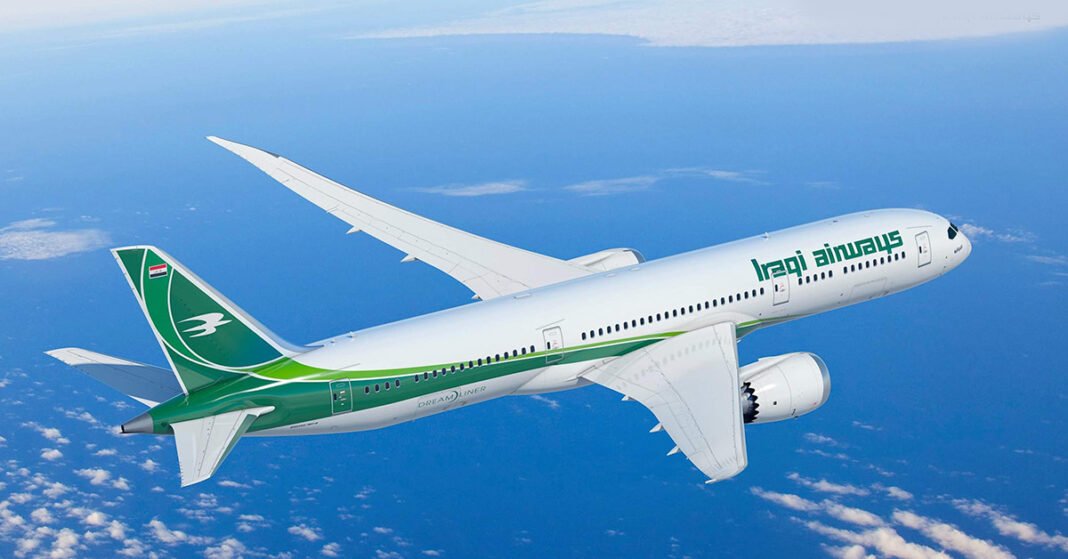
Baghdad, Iraq – Iraq’s Ministry of Transport has intensified efforts to align its aviation sector with global safety standards, reaffirming its commitment to meeting International Air Transport Association (IATA) requirements in a bid to lift the longstanding European airspace ban on Iraqi Airways. The national carrier is now targeting critical milestones, including the IATA Operational Safety Audit (IOSA) certification by 2025, to pave the way for resuming flights to Europe.
Strategic Roadmap to Compliance
In a detailed statement, the Ministry outlined a multi-pronged action plan developed in coordination with IATA, focusing on modernizing operations and addressing systemic gaps. Key initiatives include:
- Fleet Standardization: Reactivating grounded aircraft and ensuring fleet uniformity to enhance maintenance efficiency.
- Workforce and Systems Upgrades: Expanding specialized aviation crews, adopting global maintenance systems, and signing agreements with foreign firms for ground handling and cargo operations.
- Technology Integration: Implementing advanced aircraft performance monitoring systems, upgrading operational manuals, and rolling out the Electronic Flight Bag (EFB) system to digitize flight operations.
- Regulatory Compliance: Strengthening quality assurance processes and collaborating with the Iraqi Civil Aviation Authority (ICAA) to meet international oversight requirements.
The Ministry emphasized that obtaining the IOSA certification—a globally recognized benchmark for airline safety—is the immediate priority. This will be followed by securing the Third Country Operator (TCO) certificate, which is mandatory for Iraqi Airways to regain access to European airspace.
Progress Amid Challenges
During a high-level meeting with Prime Minister Mohammed S. Al-Sudani and Transport Minister Razzaq Muhaibis Al-Saadawi, IATA Vice President Kamil Al-Awadhi acknowledged Iraq’s “significant progress,” noting that 56% of the corrective action plan for lifting the ban has been completed. “Iraqi Airways is now making tangible, structured advancements after years of delays,” Al-Awadhi stated, praising the collaboration between Iraqi authorities and IATA’s technical teams.
The Ministry acknowledged that past efforts to address the EU ban, imposed over safety concerns, had yielded minimal results. However, recent reforms signal a renewed push, with the government prioritizing aviation modernization as part of broader infrastructure revitalization plans.
Collaboration and Long-Term Vision
The Transport Ministry stressed that compliance extends beyond Iraqi Airways to include the ICAA, which must align its regulatory framework with international standards. Partnerships with foreign service providers and tech firms are also being leveraged to fast-track operational upgrades.
Prime Minister Al-Sudani reiterated the government’s support, stating that “restoring Iraq’s aviation connectivity is vital for economic recovery and global integration.” The resumption of European flights would mark a major step in revitalizing Iraq’s tourism and trade sectors, which have been hampered by decades of conflict and sanctions.
Next Steps
With the 2025 IOSA certification deadline in focus, Iraqi Airways plans to complete its remaining corrective actions within the next 18 months. Industry analysts caution that sustained political will and funding will be critical to maintaining momentum.
As Iraq works to shed its airspace isolation, success in these reforms could position the country as a re-emerging player in global aviation, signaling stability and operational reliability to the international community.
— Reporting contributed by regional infrastructure and trade analysts.