

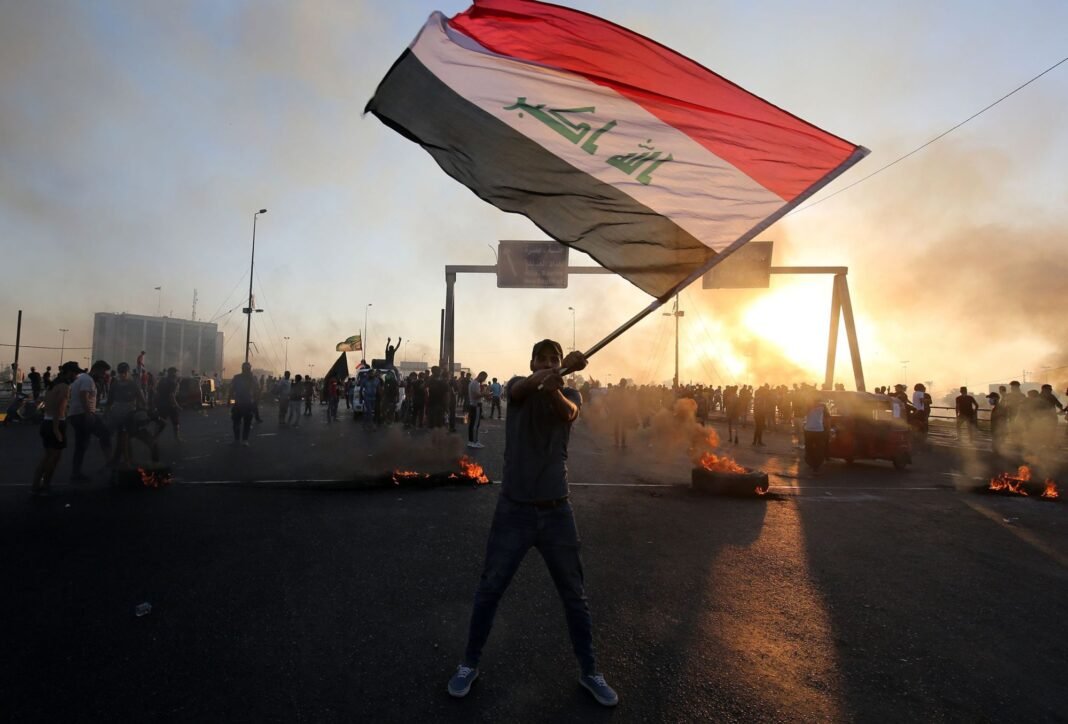
Traveling through Iraq, one cannot miss the widespread crisis shaping daily life. Along the roads from Basra to Baghdad and north to Mosul, a troubling pattern repeats. Youth unemployment and decaying public services dominate the landscape. This crisis reveals more than just poverty — it reflects a broken system in Iraq.
The broken system in Iraq echoes in every conversation. Many Iraqis say this system has failed them for years. Graduates spend years studying, yet they find no jobs after finishing university. Despite Iraq’s wealth in oil and agriculture, many Iraqis feel excluded from progress. Foreign workers take jobs that locals desperately need.
One citizen shared their frustration, saying, “We hoped to be like the Gulf countries.” Instead, they face crumbling infrastructure and a government that offers few solutions. Another resident said plainly, “Life is unpleasant. We have resources, but we live poorly.”
Political analysts agree. They argue that Iraq’s leaders deepen instability. Instead of offering unity, they encourage division. One expert said, “When officials speak only of danger, how can people feel secure?” Their constant warnings add to public fear and worsen service delivery.
Throughout Iraq, protests have grown. In Baghdad, medical graduates held protests outside the Ministry of Finance. Their message was clear: “Give us jobs.” But the government left them out of the budget. Another group, health graduates, protested in front of the Ministry of Health. The ministry changed employment laws, leaving pharmacy and dentistry graduates without public job options.
These protests, driven by educated but jobless youth, often turn violent. In Nasiriyah, one protest ended in clashes and injuries. It was part of a larger wave across southern Iraq. Protesters in Dhi Qar province pointed to the same cause: a broken system in Iraq. They were furious that foreign workers kept finding jobs while they were ignored.
A protester said, “They remember us only during elections. But we are human and want decent lives.” Their message was emotional and urgent.
National data supports these fears. Iraq’s unemployment rate has climbed past 14%. Experts predict it may reach 16.3%, the highest in ten years. Iraq now ranks worse than many troubled nations globally.
This worsening trend reflects more than economic failure. It reflects political silence and broken promises. The broken system in Iraq is no longer just a headline. It’s a daily reality for millions. People no longer wait for leaders to change. Their anger is deep, constant, and rising from within.