

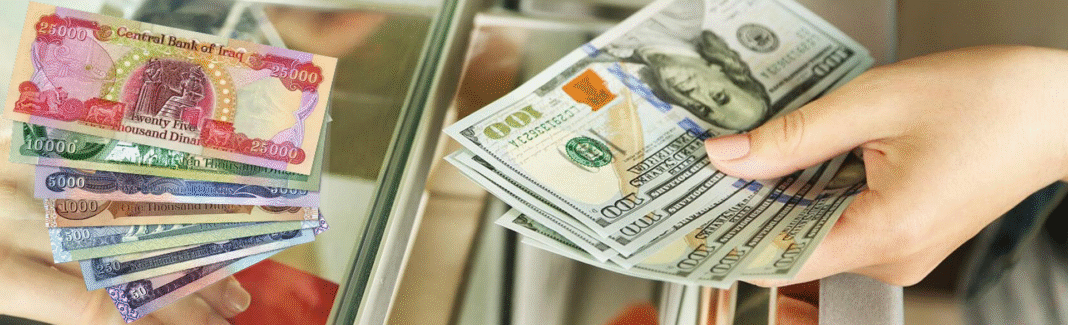
Iraq sees dollar prices drop in Baghdad and Erbil as currency markets react to shifting economic conditions. Traders in both cities witnessed a noticeable decline in the exchange rate between the US dollar and the Iraqi dinar. The market opened with a weaker dollar compared to previous sessions. This change stirred activity across local currency exchange stores.
At the start of the trading day in Baghdad, both the Al-Kifah and Al-Harithiya exchanges reported lower rates. The US dollar dropped to 139,000 dinars for every 100 dollars. This is a decrease from the earlier rate of 139,800 dinars. As trading continued, currency exchange stores set the selling rate at 140,000 dinars per 100 dollars. Meanwhile, the buying rate stood at 138,000 dinars.
The situation was slightly different in Erbil, though it followed a similar pattern. The dollar sold for 139,100 dinars per 100 dollars, while buyers paid 138,950 dinars. This decline reflects the growing market confidence in the Iraqi dinar. It also shows the gradual strength of Iraq’s monetary environment.
This trend where dollar prices drop in Baghdad and Erbil signals a potential improvement in currency stability. Traders in both regions keep a close eye on these developments. Any fluctuations in the dollar rate immediately affect import prices, travel costs, and investment strategies.
Moreover, these market movements reflect broader regional financial dynamics. The consistent decrease indicates fewer concerns about currency shortages. Instead, there is growing faith in the local economic policies that regulate the exchange market.
As Iraq sees dollar prices drop in Baghdad and Erbil, Iraqi businesses prepare for more stable operational costs. Importers especially benefit from a stronger dinar. This makes it easier to plan purchases and control spending. Additionally, it helps reduce inflation pressure, which can directly support household budgets.
The repetition of this pattern in both major cities suggests a national trend. It also highlights coordinated efforts by financial authorities to support the dinar. Exchange centers remain active and responsive to these changes. Most of them adjust rates quickly to follow market trends and meet customer demand.
In summary, the fact that dollar prices drop in Baghdad and Erbil brings cautious optimism to local markets. Continued monitoring of these rates will help maintain financial confidence across Iraq.