

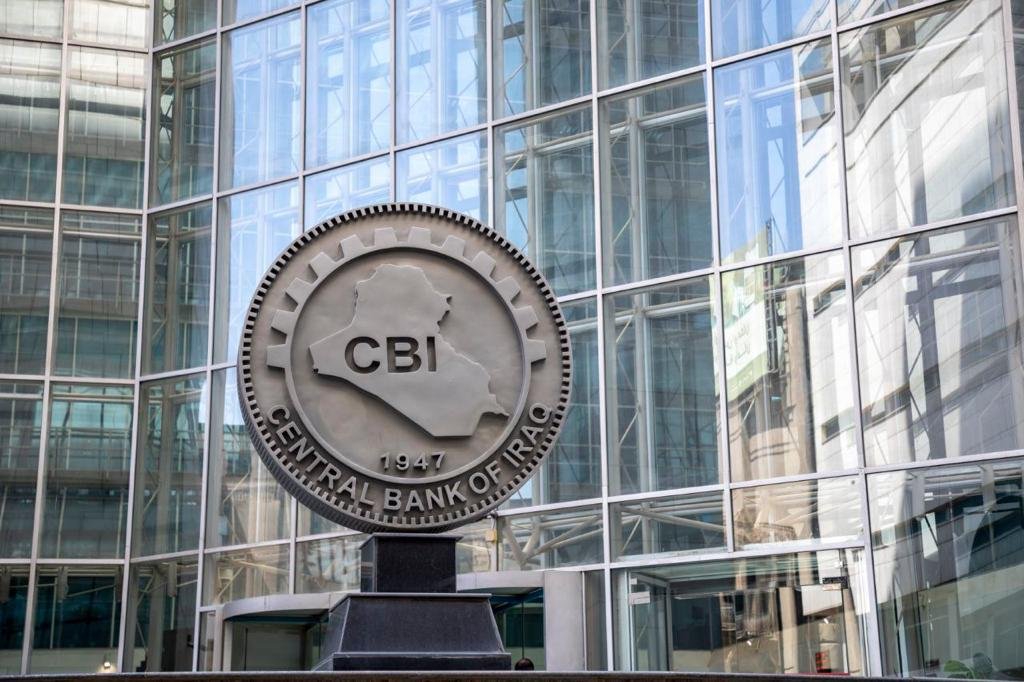
Iraq’s economy saw mixed signals early this year as Iraq gold reserves climb, inflation eased, and the budget deficit widened. The Central Bank of Iraq (CBI) released new figures showing progress and challenges during the first quarter of 2025.
Inflation dropped sharply, falling by 21 percent compared to the previous quarter. The average rate now stands at 2.2 percent, down from 2.8 percent. This shift means goods and services became more affordable, boosting the purchasing power of both citizens and businesses.
The CBI described this decline as a welcome development. The report noted stronger price stability and improved financial conditions for Iraq’s population. This was further supported by a slight dip in the circulation of Iraqi dinars, which dropped by 0.6 percent. The amount in circulation reached 99.9 trillion dinars (about $76.3 billion), a decrease from 100.5 trillion dinars (roughly $76.7 billion) at the end of 2024.
Officials linked this reduction to more effective handling of U.S. dollar oil revenues. Improved cash flow control helped slow inflation and maintain price levels. These factors supported the broader goal of macroeconomic stability.
More encouraging signs came from Iraq’s banking sector. Lending to private companies rose by 1.1 percent during the same period. The total private sector credit hit 44.1 trillion dinars (around $33.7 billion). Economists view this as a sign of growth and a possible move away from full dependence on oil exports.
In another key highlight, Iraq gold reserves climb significantly. The value of these reserves rose by 19 percent, reaching 21.2 trillion dinars (around $16.2 billion). This increase reflects growing confidence in Iraq’s ability to withstand global economic shocks.
Despite these gains, Iraq continues to face serious budget pressures. Government figures show revenues hit 28 trillion dinars (roughly $21.3 billion) in the first four months of the year. That marks a 34 percent increase compared to the same period last year.
However, spending also surged, leading to a 12 percent jump in the fiscal deficit. The budget shortfall reached nearly 900 billion dinars (about $690 million). Oil remained the largest revenue source, making up 88.9 percent of all income. This dependency leaves Iraq vulnerable to any sharp drop in oil prices.
The country’s three-year budget plan, worth $152 billion, raised concerns when passed. Experts worry that oil prices below $70 per barrel could destabilize Iraq’s finances. Prime Minister Mohammed Shia’ al-Sudani said the budget focuses on social services, infrastructure, and long-term development.
While Iraq gold reserves climb and inflation slows, the growing deficit underlines the urgent need for reform. Iraq must strengthen its non-oil sectors to protect future economic stability.