

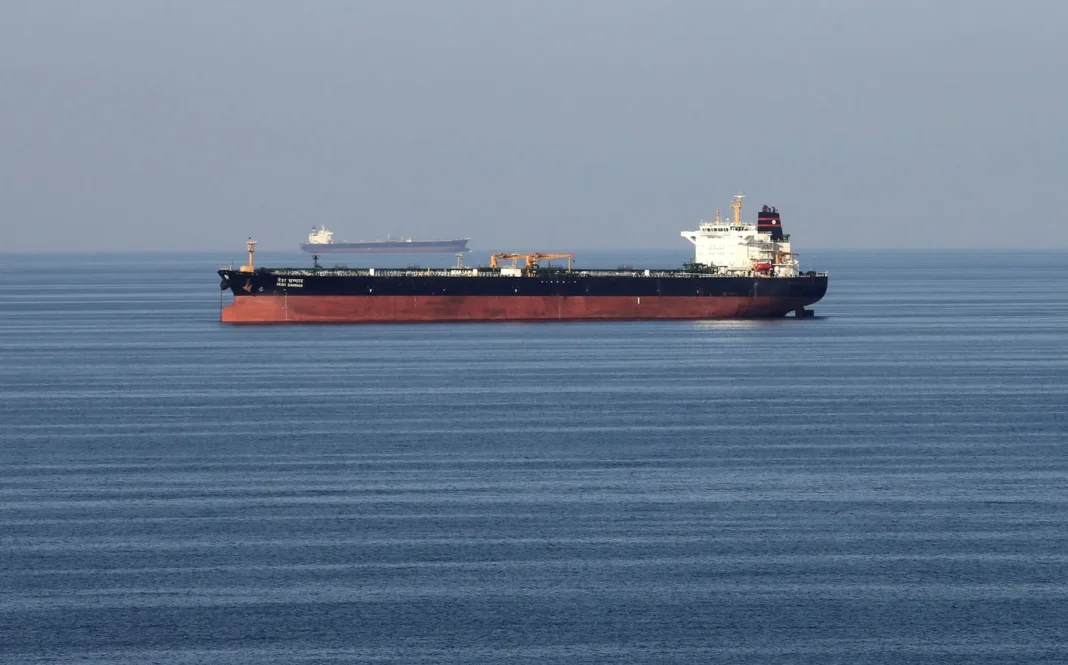
Oil prices surged to levels not seen since early this year, fueled by rising fears over Middle East tensions. The key phrase Strait of Hormuz fears dominated market discussions as traders reacted swiftly to developments.
Crude benchmarks gained strong momentum after the United States launched strikes on Iran’s nuclear sites. This followed Israel’s ongoing military campaign, heightening regional conflict. Brent crude rose by more than $1.50, briefly surpassing $81 before easing slightly. Similarly, U.S. crude climbed over $1.50 to cross the $75 mark.
Markets closely watched Iran, a major OPEC oil producer, as it responded to attacks on its nuclear infrastructure. Tehran promised retaliation, raising concerns about oil supply routes. These Strait of Hormuz fears significantly influenced oil price trends throughout the session.
Analysts warned that Iran might shut the Strait of Hormuz, a critical channel for global oil shipments. Nearly one-fifth of global crude supply flows through this narrow passage. Iran’s parliament even approved a measure to block it, although Iran has never enforced such threats in the past.
Energy experts stated that blocking the Strait would affect both regional and global markets. Ships may avoid the area, reducing available export routes. While some pipelines offer alternatives, they cannot fully compensate for lost volume through the strait.
One energy strategist noted that prices could shoot up to $120 per barrel if tensions persist. Goldman Sachs projected that if oil flow through the strait is halved for a month, Brent could touch $110 briefly. The bank, however, assumed no major long-term disruptions due to international pressure to maintain supply stability.
As the conflict escalates, oil infrastructure faces increasing risk. Global powers continue urging restraint. Japan and South Korea have both expressed concern about the situation and its impact on trade. These reactions reflect rising anxiety over prolonged instability in the Middle East.
While oil prices have already risen sharply since the start of the conflict, further gains appear likely. The Strait of Hormuz fears will continue to influence markets as traders await Iran’s next move. However, experts also warned that closing the strait could hurt Iran’s economy due to its dependence on oil exports, making the strategy potentially self-destructive.