

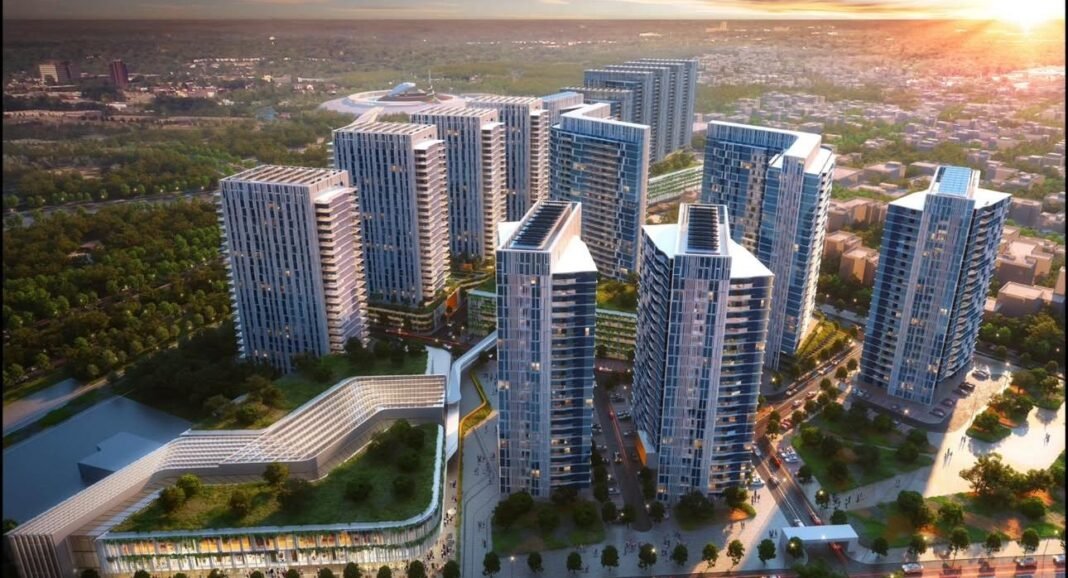
Iraq housing push The country has launched a major initiative to address its growing population needs. Iraq has already awarded projects for 1.5 million new housing units, with officials aiming to reach 5 million units by 2030. as well as This effort marks a major phase in Iraq’s ongoing housing development strategy.
Hassan Al-Khafaji, head of the Parliament’s Economy and Investment Committee, shared the update during a press event. He confirmed that many global firms have shown interest in Iraq’s housing sector. so These companies see strong potential in the growing Iraqi market.
Al-Khafaji credited progress to reforms in investment laws. Parliament and the federal government worked closely to enable these changes. in additional They created more room for private sector participation. These reforms have already encouraged foreign investors to explore new projects in Iraq.
In parallel with this housing push, Iraq is boosting its local industrial base. as well as The government has awarded contracts for new industrial cities. These projects will rise in Anbar, Karbala, Babil, Basra, and Nineveh. Officials designed this move to reduce dependency on imported goods.
Authorities want to localize manufacturing while supporting local businesses. They believe stronger domestic production will create jobs and enhance Iraq’s economy. The strategy also aims to stabilize prices by reducing reliance on foreign goods.
Al-Khafaji emphasized that Iraq offers a stable and secure setting for investment. He predicted more large and well-known companies will enter Iraq soon. In his view, the country’s political and economic reforms are making Iraq a preferred destination.
The committee is now waiting for additional changes to the investment law. Once the Prime Minister’s office sends the draft, parliament will vote. These adjustments will improve investor confidence and ease bureaucratic challenges.
Al-Khafaji explained that Iraq’s housing push aligns with broader national goals. The government wants to improve living standards, reduce urban congestion, and support long-term economic growth.
This push comes at a time when Iraq’s population continues to grow. Urban areas face rising pressure on infrastructure. The new housing projects will ease the strain and support balanced development.
Moreover, officials believe these projects will help combat unemployment. They expect construction and industrial growth to create thousands of new jobs. With continued support from local and foreign firms, Iraq’s housing push could transform the nation’s urban landscape.