

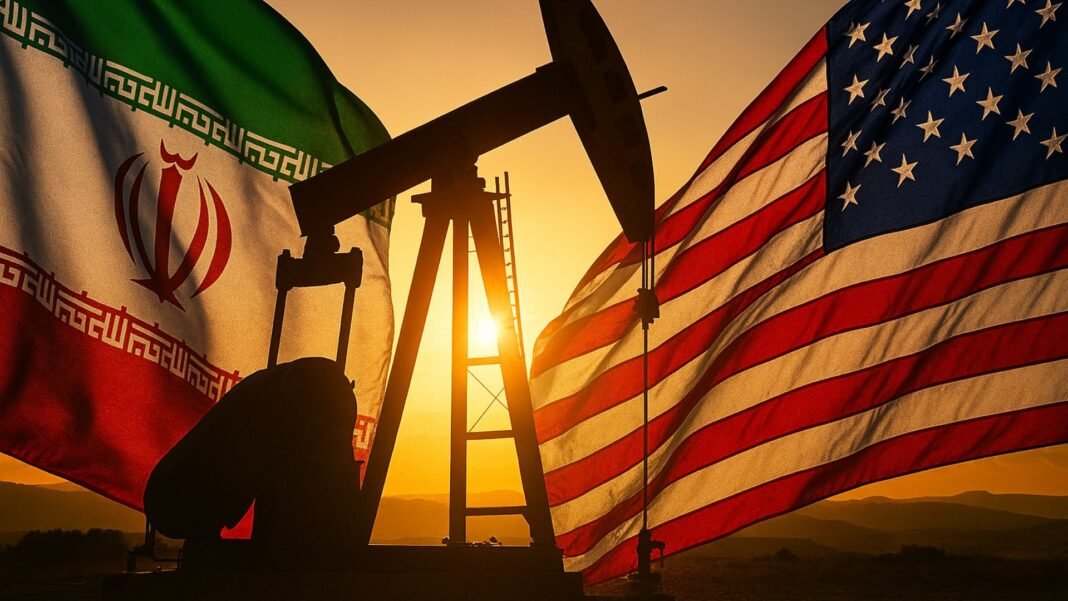
Oil prices climbed near seven-month highs as United States–Iran tensions intensified across the Middle East. Traders reacted quickly to rising geopolitical risks. As a result, the market risk premium grew stronger.
Brent crude futures rose by 43 cents, or 0.6 percent, to reach $71.20 per barrel. Meanwhile, West Texas Intermediate gained 38 cents, or 0.6 percent, and reached $66.01 per barrel. These levels mark the highest range since late summer.
Brent previously touched its strongest level since July 31. At the same time, WTI reached its highest point since August 4. Since then, both benchmarks have held near those peaks. Clearly, United States–Iran tensions continue to influence pricing.
Investors fear that any military conflict could disrupt crude supply from Iran. Iran ranks as the third-largest producer in OPEC. Therefore, even a limited disruption could tighten global supply quickly.
Furthermore, the United States has positioned military forces in the region. Officials aim to pressure Iran into negotiations over its nuclear and ballistic missile programs. Consequently, traders have added a larger market risk premium to oil contracts.
Diplomatic talks continue in parallel. US envoys Steve Witkoff and Jared Kushner plan to meet an Iranian delegation in Geneva. This meeting marks the third round of discussions. However, uncertainty still surrounds the outcome.
Iran’s Foreign Minister Abbas Araqchi stated that a deal remains within reach. Nevertheless, he stressed that diplomacy must come first. On the other hand, President Donald Trump warned of serious consequences without an agreement. These conflicting signals have deepened United States–Iran tensions.
At the same time, reports indicate that Iran and China have accelerated talks over anti-ship cruise missiles. Such weapons could threaten US naval forces near Iranian waters. Therefore, military analysts view this development as a potential escalation factor.
Despite geopolitical pressure, supply data also influences prices. Market sources reported that US crude inventories surged by 11.43 million barrels in one week. That large build suggests supply currently exceeds demand. As a result, inventory growth could limit further price gains.
However, gasoline and distillate stocks declined during the same period. This drop signals steady fuel consumption in some sectors. Therefore, the market sends mixed signals.
Later, the US Energy Information Administration will release official inventory data. Traders will analyze those figures closely. Any surprise could shift prices sharply.
For now, United States–Iran tensions remain the dominant driver. The market risk premium reflects fears of disruption. If diplomacy fails, prices could climb further. However, if talks succeed, the market risk premium could ease quickly.
Energy markets now stand at a sensitive crossroads. Political decisions will shape the next move. Until clarity emerges, United States–Iran tensions will keep oil prices volatile.