

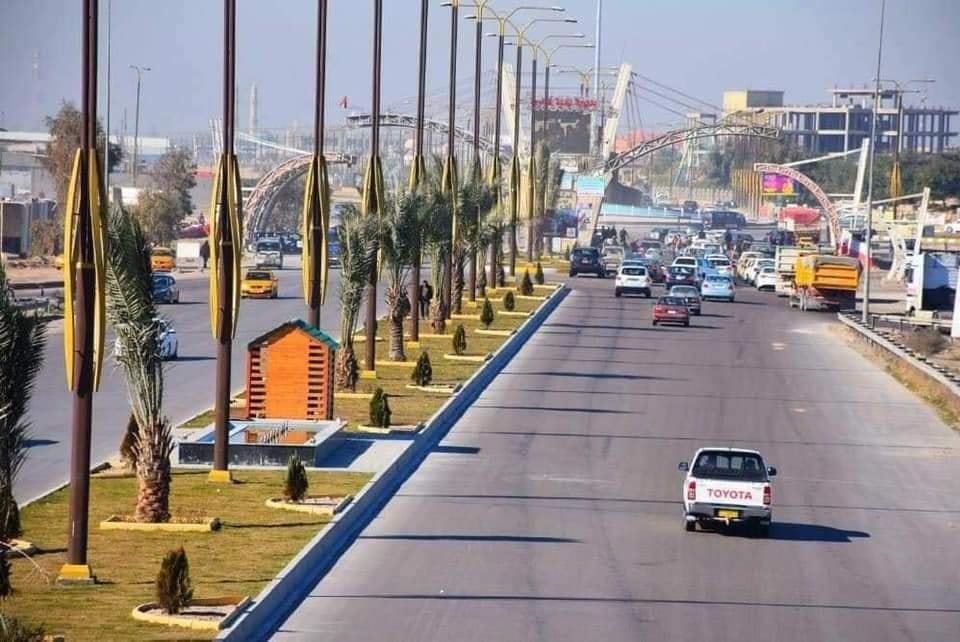
Saudi investment in Al-Anbar is moving forward after years of stalled plans. Local officials confirmed that the province will open its vast resources to Saudi, Arab, and foreign investors. They also stressed that Al-Anbar’s decisions are binding within the province and not subject to Baghdad’s control.
Al-Anbar, Iraq’s largest province, has significant economic potential. Its fertile plains support large-scale farming and livestock projects. The food processing and poultry industries add value to agricultural output. Beyond farming, the province holds rich oil and gas reserves. In addition, it contains nearly 9.5 billion tons of phosphate, making it a hub for fertilizer and chemical industries. Its cultural and natural sites also provide opportunities for eco-tourism.
Council member Adnan al-Kubaisi explained that political concerns once blocked Saudi investment in Al-Anbar. However, he emphasized that those obstacles no longer exist. He underlined that the council supports one united Iraq, and internal disputes are no longer an issue. This clears the way for new projects in vital sectors.
Political researcher Muhannad al-Rawi noted that Saudi Arabia seeks a wide-ranging economic agreement. It would cover agricultural, livestock, poultry, and fish farming projects. He pointed out that Iraq’s western and southwestern regions are vast and require major investment. He added that Saudi investment in Al-Anbar could both meet local needs and strengthen Iraq’s export capacity.
Economic expert Taha al-Janabi highlighted the importance of these initiatives. He argued that investment in agriculture and industry reduces Iraq’s reliance on imports. By producing more goods locally, the country can stabilize its economy. This shift also improves food security and creates long-term jobs for Iraqis.
Furthermore, the renewed interest from Saudi Arabia signals stronger regional ties. Saudi investment in Al-Anbar could enhance cooperation between Iraq and its Gulf neighbors. At the same time, it may attract broader Arab and international investors. With abundant natural resources, Al-Anbar could become a cornerstone of Iraq’s economic diversification.
In summary, Saudi investment in Al-Anbar is gaining new ground. Officials and experts believe the province can become a center for agriculture, energy, and industry. With strong partnerships, Al-Anbar could reduce imports, boost exports, and improve Iraq’s economic future.