

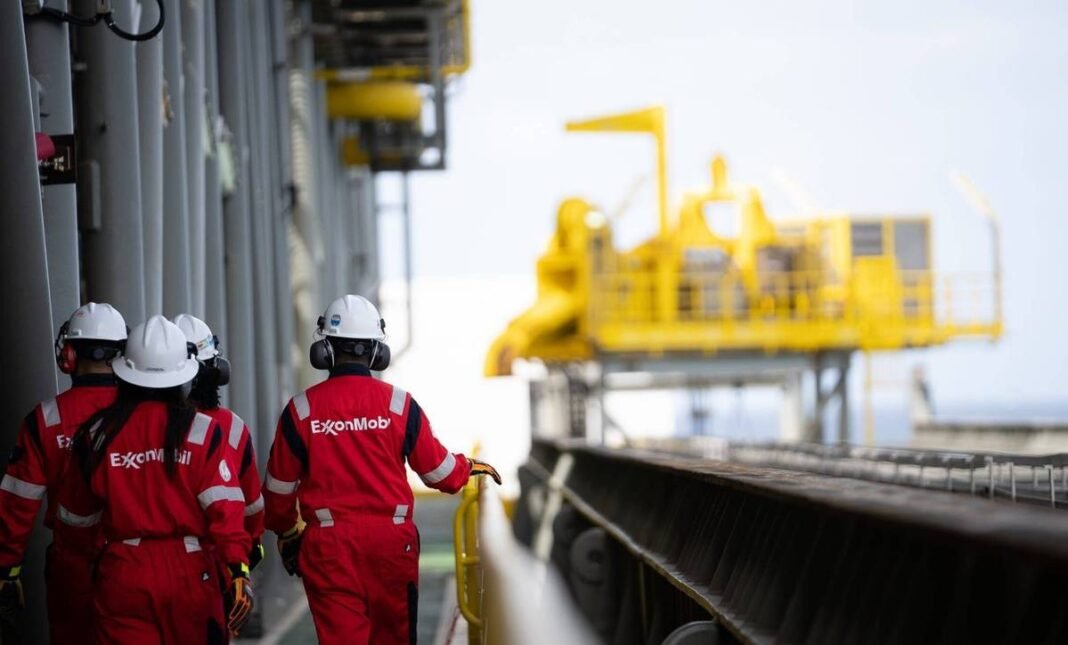
Iraq sees new movement in its energy sector as Iraq oil ownership gains global attention. ExxonMobil explores the idea of buying LUKOIL’s stake in the West Qurna-2 field. The company studies the opportunity closely and reviews its long-term strategy. Moreover, the interest reflects rising competition among major international oil firms. West Qurna-2 remains one of Iraq’s most important fields, and every new development attracts strong global focus.
The potential deal grows more realistic after recent approvals from US authorities. The US Treasury gives companies temporary permission to open talks with LUKOIL. This decision creates a new wave of interest in the Russian firm’s worldwide assets. Several companies join the list of possible bidders, and the market reacts quickly. As competition rises, analysts expect more discussions in the coming weeks. These steps create further momentum around Iraq oil ownership.
ExxonMobil already has experience in the region. The company once operated the nearby West Qurna-1 field before leaving in 2024. This background gives ExxonMobil strong knowledge of Iraq’s operational environment. It also positions the company to move confidently if it decides to move forward. Industry observers note that ExxonMobil studies every detail carefully, especially with global tensions affecting energy markets.
The situation becomes more complex as LUKOIL faces broad challenges. The company owns stakes in oil fields across many countries, including Kazakhstan, Uzbekistan, Iraq, Mexico, Ghana, Egypt, and Nigeria. It also owns fuel stations across several continents. However, international sanctions push the company to reorganize and consider selling major assets. LUKOIL takes these steps to reduce pressure from growing political conflict.
Iraq follows these developments closely. Prime Minister Mohammed Shia al-Sudani meets Vagit Alekperov, the former head of LUKOIL. They discuss ways to manage disruptions caused by sanctions. The government aims to protect production levels and safeguard investor confidence. Moreover, both sides explore immediate solutions to keep operations running smoothly.
West Qurna-2 faces serious pressure as sanctions disrupt workflow. The field produces around 480,000 barrels per day and plays a major role in Iraq’s national output. LUKOIL declares a crisis at the site, and the announcement raises concerns inside the country. Iraq now works to stabilize the field and avoid any decline in production. These efforts support the country’s broader energy goals and ensure stability for its partners. This situation highlights the importance of strong Iraq oil ownership and well-coordinated decision-making.