

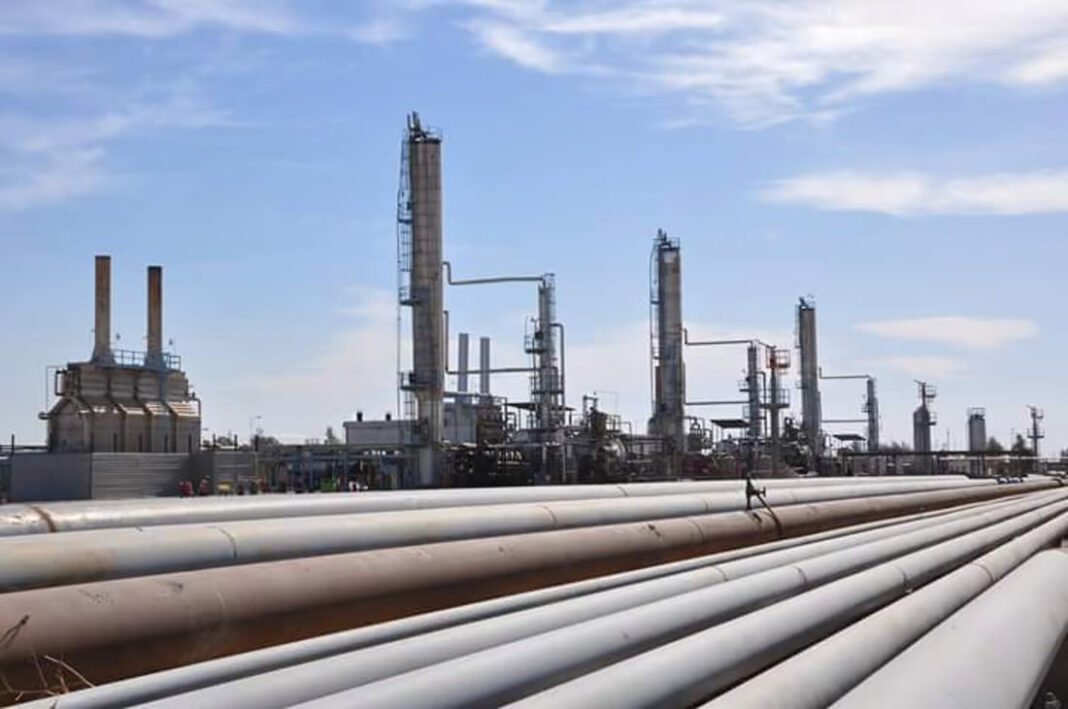
Iraq has launched a major expansion of the Najaf refinery to boost production to 100,000 barrels per day. Prime Minister Mohammed Shia Al-Sudani confirmed the project during a public announcement. He emphasized its role in meeting Iraq’s domestic fuel needs.
Currently, the Najaf refinery produces 30,000 barrels per day. The new plan will add 70,000 barrels, tripling the output. Iraq aims to meet local demand and reduce dependence on imported oil products. This project plays a key role in that strategy.
The Najaf refinery expansion reflects a national move to strengthen Iraq’s oil refining capacity. Multiple provinces now follow similar development paths. So for instance, the Diwaniyah refinery also began a major upgrade this week. Its capacity will grow from 20,000 to 90,000 barrels per day.
Minister of Oil Hayan Abdul-Ghani stated the government seeks energy self-sufficiency. He confirmed that refining projects will reshape the country’s energy supply. As well as Iraq wants to use 40% of crude oil for refining, not just exports.
By improving infrastructure, Iraq reduces its vulnerability to global supply disruptions. So It also brings down costs for consumers.
Refinery projects help Iraq move from fuel importer to exporter. That shift creates new jobs, boosts income, and strengthens energy security. additionally Najaf refinery expansion projects are vital for the country’s economic transformation.
The Ministry of Oil oversees multiple upgrades across the country. These include investments in processing, storage, and transport networks. The Najaf refinery expansion is part of that broader push.
Iraq continues to rely heavily on crude oil exports. In addition However, leaders want to change that. Instead of selling raw materials, Iraq now seeks to process and add value inside the country.
Officials believe these plans will turn Iraq into a regional fuel supplier. Domestic use will rely more on local production. This reduces costs and increases national control over energy markets.
Najaf refinery expansion also improves fuel quality. As well as It reduces environmental risks and supports cleaner fuel development. Local refineries can also meet modern fuel standards.
Iraq’s economy depends on oil. But refining adds stability. Projects like the Najaf refinery expansion secure future energy needs.