

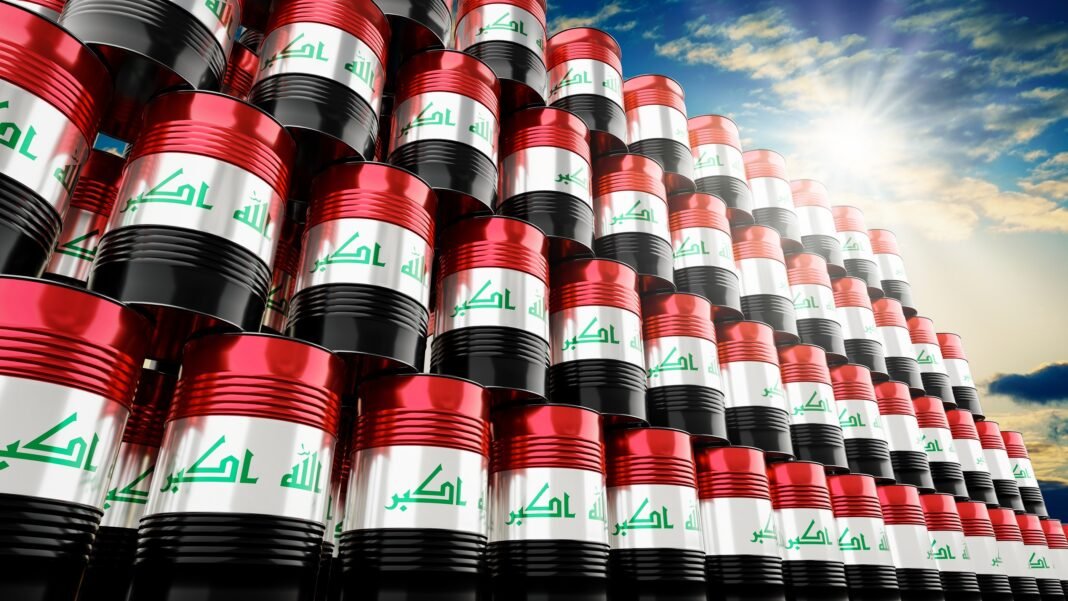
Iraq’s oil exports, 18.6M barrels, show steady output levels. The Iraq oil exports of 18.6M barrels highlight key regional flows.
The Iraqi Ministry of Oil released final figures for oil exports and revenue. The data confirms solid performance across multiple export routes.
According to official figures, Iraq exported 18,604,951 barrels of crude oil in March. This total includes condensates from various production sites. As a result, the country generated more than $1,957,121,000 in revenue.
Moreover, the State Organization for Marketing of Oil (SOMO) provided detailed export breakdowns. These figures show how different regions contributed to total output.
First, oil fields in central and southern Iraq led exports. These fields delivered 14,561,534 barrels during the month. Therefore, they accounted for the largest share of total shipments.
Meanwhile, exports from the Kurdistan Region continued through external routes. Shipments via the Turkish port of Ceyhan Port reached 1,271,200 barrels. This flow reflects ongoing coordination between regional and international channels.
In addition, Kirkuk oil exports also moved through the same port. These shipments totaled 2,772,217 barrels during the month. Consequently, northern exports played a notable role in overall performance.
Furthermore, these figures highlight Iraq’s reliance on diversified export routes. By using both southern terminals and northern pipelines, the country maintains flexibility. This approach helps sustain export levels despite regional challenges.
At the same time, strong revenues support Iraq’s national budget. Oil income remains the primary source of government funding. Therefore, stable exports directly influence economic planning and spending.
In addition, global oil prices continue to affect total revenue outcomes. Even small price changes can impact overall earnings significantly. However, consistent export volumes help balance these fluctuations.
Looking ahead, Iraq may focus on increasing production capacity and export efficiency. Authorities continue to invest in infrastructure and logistics. These efforts aim to strengthen long-term output and revenue stability.
Overall, Iraq’s oil exports of 18.6M barrels confirm steady performance for the month. The figures reflect strong production, diversified routes, and sustained global demand.