

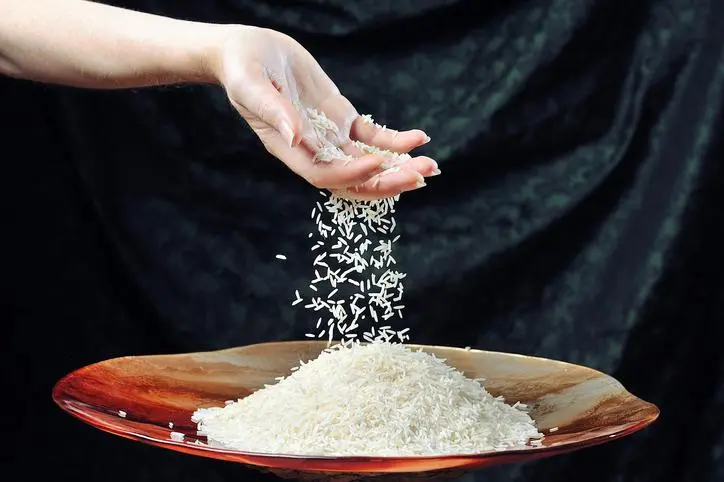
Iraq has become the largest importer of U.S. rice in the Middle East, with imports totaling $85.5 million (131,501 metric tons) in 2024, a significant 61% increase over the past decade. This surge reflects Iraq’s ongoing reliance on imports to meet its food security needs, a dependency that highlights the struggles of the country’s agricultural sector to meet domestic demand. According to the U.S. Department of Agriculture (USDA), U.S. agricultural exports to Iraq reached $264.55 million in 2024, with a steady 4% annual growth over the last ten years.
Despite Iraq’s agricultural potential, the country remains heavily dependent on imports due to systemic issues such as corruption, poor governance, and mismanagement of resources. Successive administrations have failed to prioritize long-term agricultural development, resulting in an overreliance on food imports from countries like the U.S., including rice, soybeans, poultry, and other essentials.
Agricultural Challenges in Iraq
Iraq’s agricultural sector faces numerous challenges, particularly water shortages exacerbated by upstream dam projects in neighboring countries and the growing impacts of climate change. These factors have diminished Iraq’s irrigation resources, contributing to severe droughts and devastating agricultural output. For example, the southern province of Dhi Qar, once considered the country’s breadbasket, has been severely affected by desertification and rising salinity levels.
Approximately 92% of Iraq’s land is at risk of desertification. Combined with poor irrigation management and outdated farming techniques, this has led to widespread land degradation. The reduced flow of the Tigris and Euphrates rivers has further compromised Iraq’s agricultural productivity, leaving the country reliant on imported food.
The Role of U.S. Imports
Rice is one of the most notable examples of Iraq’s increasing dependence on foreign agricultural products. The U.S. remains Iraq’s largest supplier of rice, providing nearly 90% of the country’s rice needs. Although the Ministry of Trade sometimes sources lower-quality rice from other countries, demand for high-quality U.S. rice continues to rise.
In addition to rice, Iraq also imports significant quantities of soybeans, poultry meat, tree nuts, and condiments from the U.S. This heavy dependence on U.S. agricultural exports underscores the deep structural issues within Iraq’s agricultural sector and economy.
Mismanagement and Policy Failures
The continuing reliance on imports reflects systemic failures within Iraq’s governance, particularly in the agricultural sector. Misallocation of funds, lack of infrastructure development, and ineffective water management have led to a dramatic decline in domestic agricultural production. The absence of a cohesive agricultural policy has kept Iraq dependent on external suppliers, leaving the country vulnerable to global supply chain disruptions.
Instead of investing in modern irrigation systems, water conservation, or domestic farming infrastructure, successive governments have focused on short-term solutions that only exacerbate the crisis.
Kurdistan Region’s Approach to Sustainable Agriculture
In contrast to the federal government’s import-heavy approach, the Kurdistan Regional Government (KRG) has proactively worked to strengthen its agricultural sector and reduce food import dependency. The KRG has invested in modern irrigation systems, offered subsidies to local farmers, and promoted private sector involvement in agribusiness.
The region has built 30,000 greenhouses, supported over 3,800 farmers, and developed 6,000 potato processing facilities. These efforts have enabled the KRG to boost local production, exporting products such as pomegranates, honey, potatoes, and apples to the Gulf and Europe.
Looking Ahead: Sustainable Agricultural Development
The success of the KRG’s agricultural strategies presents a valuable model for the rest of Iraq. By investing in sustainable agricultural practices, modern irrigation, and water conservation, Iraq could reduce its reliance on imports and significantly boost domestic agricultural output.
If these policies are scaled nationwide, Iraq has the potential to improve agricultural productivity, mitigate food security risks, and move toward greater economic self-sufficiency. The KRG’s experience in cultivating food security and sustainability could serve as a catalyst for national agricultural reform.
Future Prospects
Iraq’s continued dependence on U.S. imports, particularly for essential commodities like rice, underscores the urgent need for policy reforms within the agricultural sector. Without addressing corruption, mismanagement, and inefficiencies in agricultural infrastructure, Iraq will remain vulnerable to external market fluctuations and global supply chain disruptions.
However, the KRG’s proactive policies offer a hopeful path toward a more resilient agricultural sector. For Iraq to become more food secure and economically independent, the federal government must prioritize long-term investments, sustainable farming practices, and improved water management to strengthen the country’s agricultural foundation.