

Iraq has launched a wide development push across the country. This Iraq green energy plan focuses on sustainability and economic stability. At the same time, the Iraqi green energy plan supports infrastructure and public services.
Prime Minister Mohammed Shia Al-Sudani led a key government meeting. During the session, officials approved major national projects. They also introduced new rules to control markets and protect consumers.
First, the government ordered strict monitoring of market prices. Governors must prevent hoarding of essential goods. In addition, authorities must stop monopolistic practices. These steps aim to protect citizens during regional challenges.
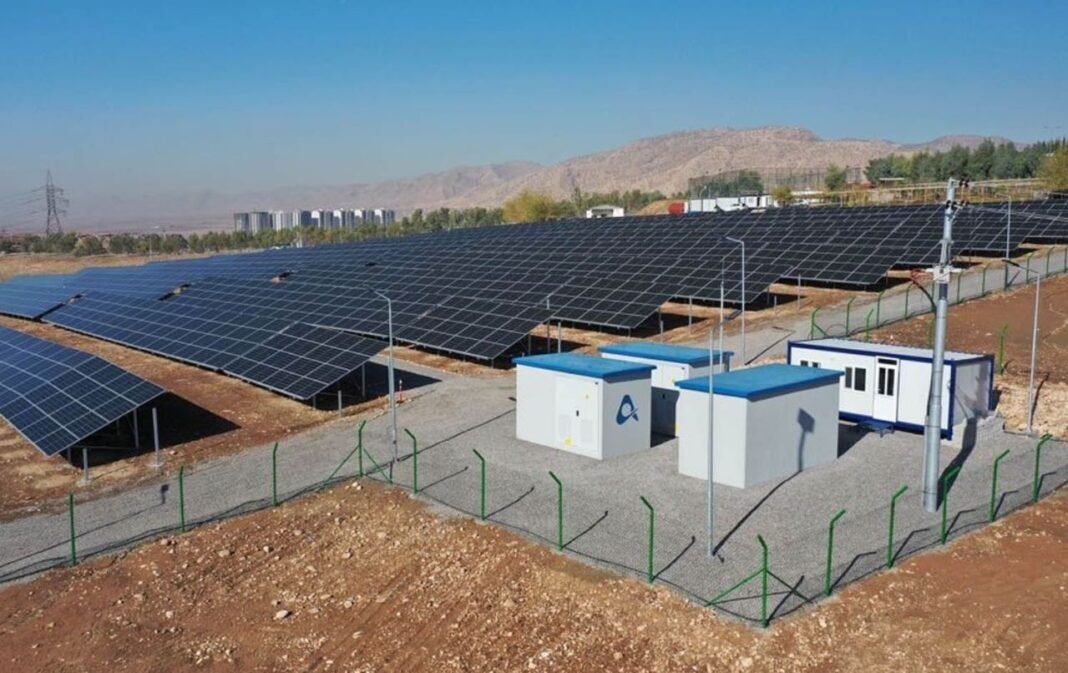
Meanwhile, the Iraqi green energy plan includes large solar investments. The government approved solar systems for 850 public buildings. Out of these, 550 projects will use domestic funding. The remaining 300 projects will rely on international financing.
Furthermore, officials set a six-year timeline for completion. This long-term plan ensures steady progress. It also supports energy diversification across Iraq.
In addition, the government approved 101 afforestation projects. These include green belts and forest development initiatives. Such projects will improve air quality and reduce environmental damage.
Moreover, authorities will implement clean energy and emissions reduction programs. The Ministry of Environment will supervise these efforts. As a result, Iraq aims to reduce pollution and improve sustainability.
The plan also includes important administrative reforms. Officials will complete contract transfers to the Ministry of Labour. This step follows the approval of the federal budget law. Therefore, the government strengthens institutional coordination.
At the same time, local authorities must act against illegal construction. They must remove violations within 90 days. Importantly, violators will cover all costs. This rule aims to enforce urban planning laws.
Additionally, the Ministry of Construction will monitor compliance. It will ensure that all regulations are applied correctly. This oversight improves accountability across provinces.
The government also reviewed development projects in Babil Province. These projects include a multi-storey car park with commercial spaces. They also include new market developments and business buildings.
Moreover, officials approved the rehabilitation of a tourist hotel. They also reviewed progress on the Ashur 2 residential complex. These projects aim to boost local investment and housing.
In nearby areas such as Hilla and Abu Ghraq, authorities approved additional commercial developments. They also prepared plans for a new investment hospital. These steps aim to improve services and attract investors.
Furthermore, governors received instructions to support students. Authorities will assist them ahead of final exams. This step highlights the government’s focus on education.
Finally, the government announced a symbolic initiative. Officials will name streets “Lions of Mesopotamia” across provinces. This move celebrates Iraq’s qualification for the 2026 FIFA World Cup.
In conclusion, the Iraq green energy plan reflects a broad national strategy. It combines energy, environment, and development goals. Therefore, it marks a major step toward a more sustainable future.