

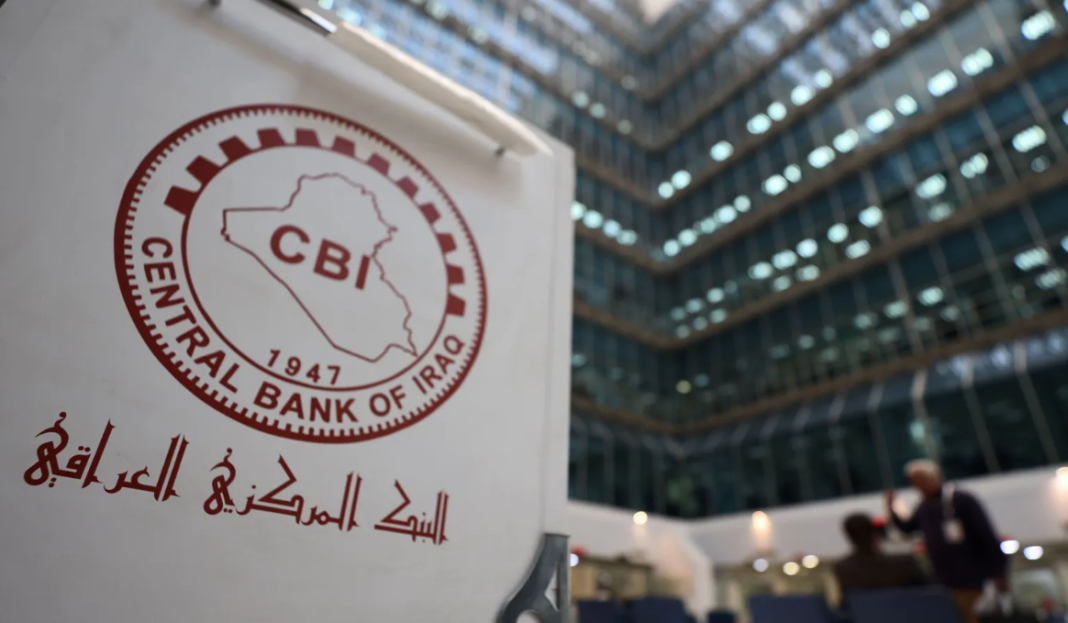
Iraq’s foreign currency reserves experienced a decline in the third quarter of 2024, with the Central Bank of Iraq (CBI) attributing the drop to its monetary tightening measures and a decrease in oil prices.
According to a report by the CBI, Iraq’s foreign currency reserves fell by 0.52%, reaching 143.35 trillion dinars ($109.64 billion), compared to 144.10 trillion dinars ($110.21 billion) during the same period in 2023. The decline was largely due to the CBI’s liquidity absorption policy, which involves sterilization operations to regulate the money supply by adjusting foreign reserves. This led to an increase in cash receipts from 18.46 trillion dinars ($14.1 billion) to 20.09 trillion dinars ($15.37 billion), thereby reducing net foreign reserves.
Additionally, a drop in oil prices, from $82.2 per barrel to $77.3 per barrel, contributed to a decrease in Iraq’s foreign exchange earnings, further impacting the reserves.
The CBI also noted that higher public spending led to an increase in the currency in circulation, rising from 100.06 trillion dinars ($76.5 billion) to 104.13 trillion dinars ($79.64 billion), which in turn contributed to an increase in public debt.
Despite the decline, the CBI emphasized that the country’s reserves remain above critical thresholds, aligning with global financial standards, which recommend that foreign reserves cover at least 20% of the broad money supply. The bank reaffirmed that its monetary policies would continue to prioritize maintaining financial stability.