

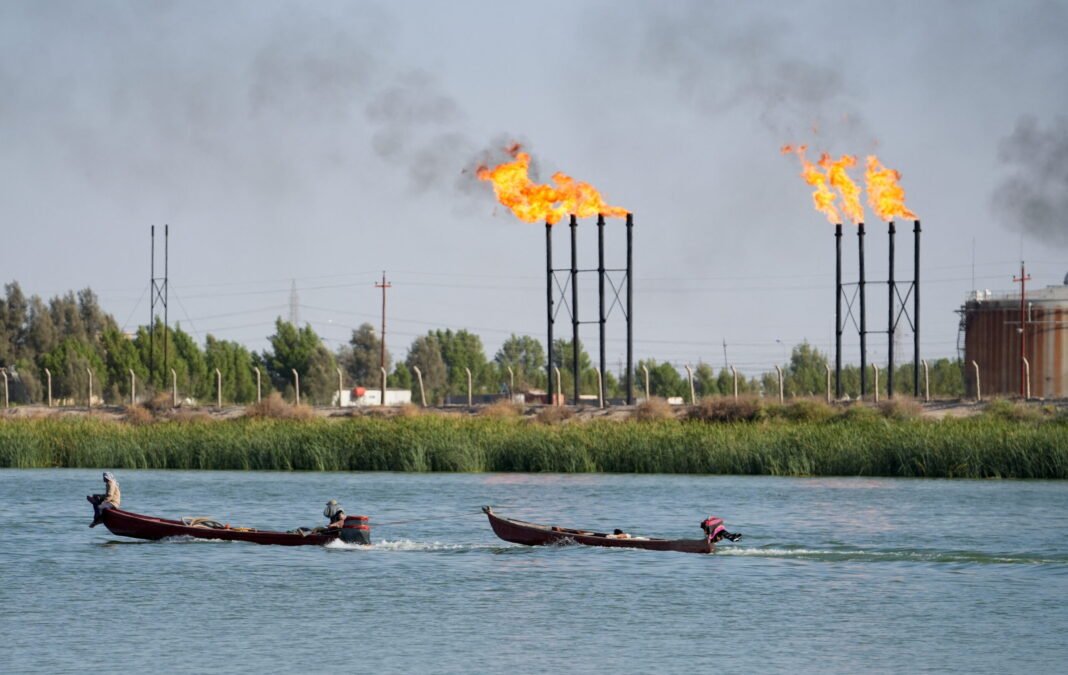
Iraq’s heavy reliance on oil revenue continues to pose serious economic risks. A top official at the Ministry of Planning has warned that this model threatens national stability. The oil dependency in Iraq must end if the country hopes to build a strong and diverse economy.
Sabah Jundi Mansour, a senior official in Iraq’s Economic and Financial Policies Department, raised these concerns during a recent consultative session. The session focused on finding ways to increase non-oil income in Iraq.
Mansour said Iraq’s current financial model depends on oil for over 90% of its budget. He explained that this structure makes the country highly vulnerable to global oil price changes. Each crisis in oil markets creates new financial shocks for Iraq.
Because of this dependency, Iraq often covers its budget gaps by borrowing money. This practice increases public debt and weakens the economy. Mansour stressed the need for serious reform. Iraq, he said, must shift toward a more stable and diverse economic plan.
The oil dependency in Iraq creates more than just budget issues. It blocks long-term development. The economy lacks growth in non-oil sectors like agriculture, industry, and tourism. Without change, Iraq cannot build a sustainable future for its people.
Officials at the session agreed that public financial management needs improvement. They said that better planning and reduced borrowing would help ease the pressure on Iraq’s finances. They also noted that previous oil market shocks proved that relying on one sector is dangerous.
The meeting forms part of Iraq’s broader strategy to create more income from sources other than oil. Leaders want to strengthen domestic production and attract investment. These efforts, if continued, could create more jobs and reduce risk.
Experts at the session recommended tax reform, new investment laws, and support for small businesses. They also highlighted the importance of fighting corruption and improving transparency. These steps could help Iraq manage its resources better and support a stronger private sector.
The oil dependency in Iraq must be addressed if the country hopes to move forward. Leaders are now under pressure to make real changes. Otherwise, Iraq could face more financial trouble in the future.