

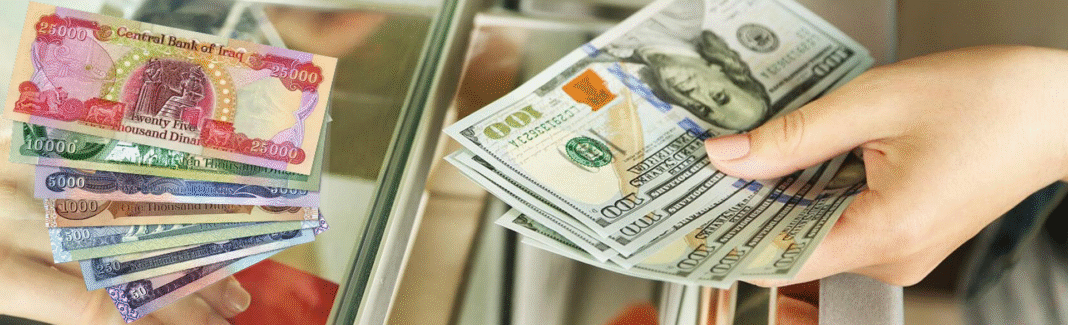
USD/IQD exchange rates continues to make headlines in Iraq. The value of the US dollar rose slightly against the Iraqi dinar in both Baghdad and Erbil. Traders and customers across major cities in Iraq are paying close attention to the ongoing currency shifts.
In Baghdad, the main currency exchanges—al-Kifah and al-Harithiya—recorded a new exchange rate. The dollar reached 139,500 IQD per $100. This marks a small increase from the previous level of 139,400 IQD. The rise may seem minor, but it adds pressure to businesses and consumers.
Moreover, currency shops in Baghdad’s neighborhoods adjusted their prices. The selling rate climbed to 140,500 IQD per $100, and the buying rate settled at 138,500 IQD. These numbers show that sellers are charging more, while buyers still struggle to get favorable rates.
Meanwhile, the city of Erbil saw a similar trend. The selling price there reached 139,200 IQD per $100. At the same time, the buying price stood at 138,950 IQD. The changes in both cities reflect ongoing volatility in the foreign exchange market.
People across Iraq feel the effects of these shifts. Businesses that rely on imports are especially hit hard. With the USD/IQD exchange rates climbing, imported goods may become more expensive. This situation puts extra financial strain on average Iraqi households.
The Central Bank of Iraq has not yet introduced new measures to stabilize the dinar. However, many hope that financial institutions will soon act to protect the local currency. Until then, fluctuations in the USD/IQD exchange rates could continue.
Increased demand for US dollars contributes to the situation. Many individuals and companies prefer to hold dollars for security. This preference increases pressure on the dinar, especially in uncertain economic times.
Moving forward, traders and consumers alike are watching the market closely. Any additional rise in the USD/IQD exchange rates could spark wider effects in Iraq’s financial landscape. For now, the country’s currency situation remains tense and uncertain.