

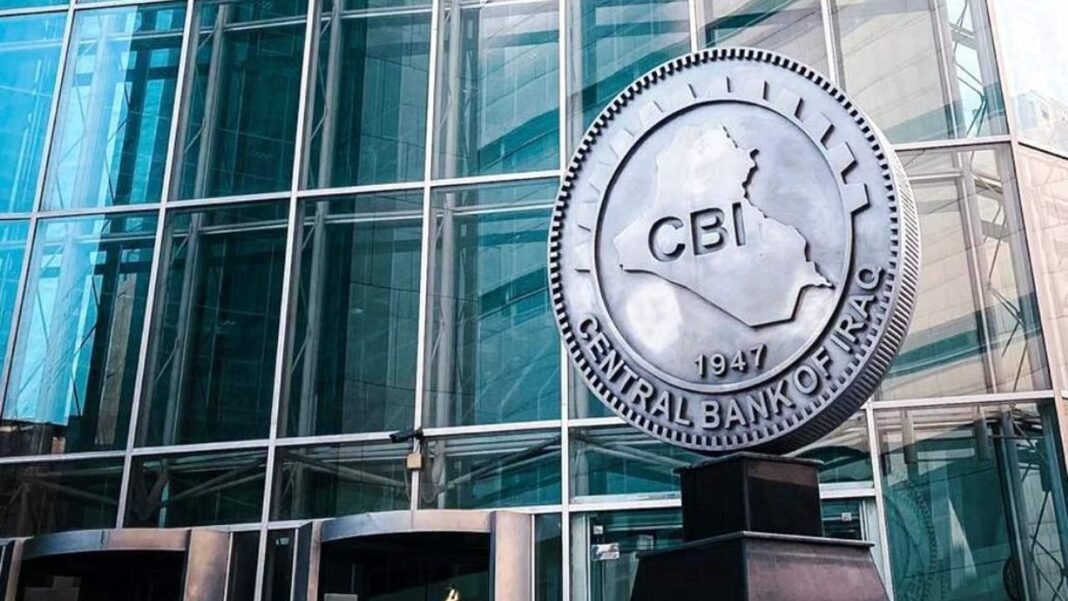
In a strong financial move, Iraq’s Central Bank foreign currency purchase crossed the $16 billion mark in early 2025. The Central Bank of Iraq (CBI) took a bold step and acquired $16.593 billion in foreign currency from the Ministry of Finance. This major transaction happened during the first quarter of the year.
At the same time, the Bank continued to play a dominant role in the currency market. It sold a total of $20.980 billion through its currency auction system. These auctions are essential to keep currency stability and control exchange rates in the country.
Looking back, the year 2024 also showed high activity. Iraq’s Central Bank foreign currency purchase reached $68.654 billion in total. Meanwhile, the Bank sold $77.652 billion that year in daily auctions. These consistent transactions highlight the government’s approach to balancing inflows and outflows.
Furthermore, the large purchase shows Iraq’s push to strengthen its reserves. With rising global market challenges, this strategy supports Iraq’s financial stability. It also gives the country stronger leverage in managing its exchange rate.
Another key benefit of this purchase is boosting the confidence of local and international investors. When the Central Bank takes in such a large sum, it sends a message that Iraq is committed to a solid financial path. It also means the Bank is well-prepared to handle future financial shocks.
Moreover, this activity helps stabilize the Iraqi dinar. Selling more than $20 billion in auctions allows the Central Bank to manage demand and prevent sharp drops in currency value. This step is part of a broader policy to fight inflation and reduce market pressure.
However, Iraq’s economy still faces several challenges. Dependence on oil, fluctuating prices, and global inflation continue to test the country’s financial systems. Yet, the consistent Iraq’s Central Bank foreign currency purchase helps provide a buffer against these risks.
To sum up, this financial strategy reveals the Bank’s strong focus on preserving economic stability. It also shows its active role in protecting national reserves. The frequent use of foreign currency auctions shows the Bank’s practical method to regulate the market and ensure liquidity.