

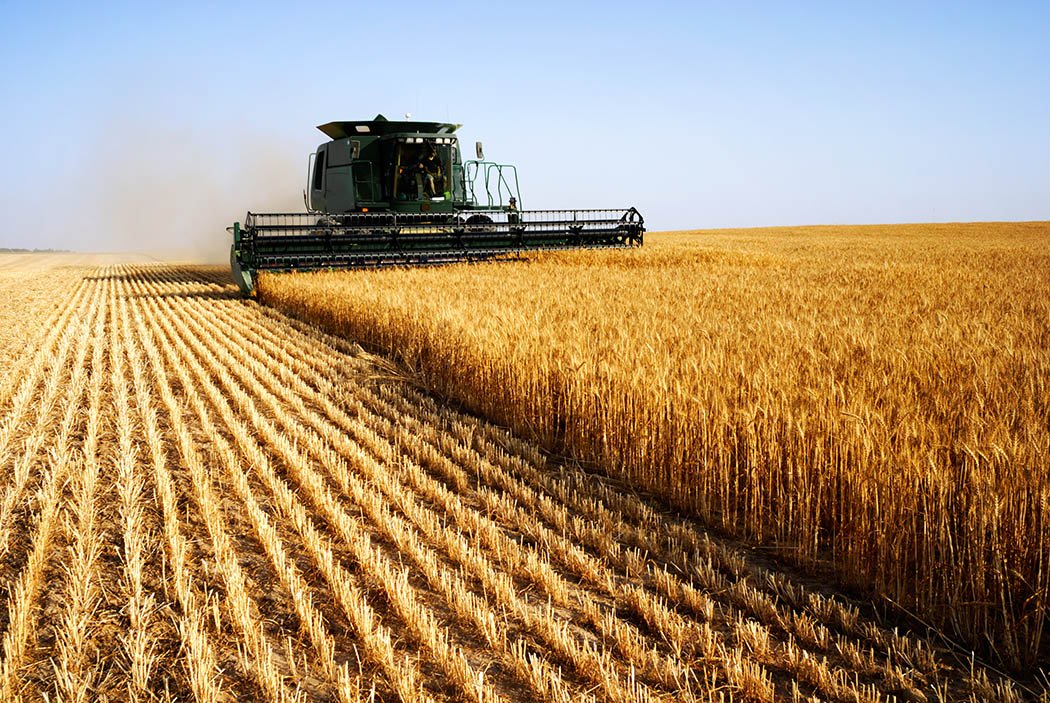
Farmers in the Koya district of east Erbil are facing a devastating crisis as wheat farmers suffer losses in what many are calling the worst agricultural season in recent memory. More than 36,000 dunams of wheat fields are now unusable due to delayed rainfall and poor planting conditions.
Kamaran Amir, Director of Agriculture for Koya, confirmed that losses have surpassed 16 billion Iraqi dinars—around $12.2 million. He stated that this is the first time Koya has seen such severe damage to its wheat crops.
Amir said most of Koya’s lands won’t produce a harvest this year.. He warned that farming output has collapsed, with revenue expected to drop from 21.7 billion dinars last year to just 4 or 5 billion dinars this season.
Last year, Koya’s farmers delivered over 28 tons of wheat to the local collection center. This year, however, that number may be cut in half or worse. A combination of weak rainfall and unsuitable planting conditions has made much of the farmland barren.
Faqeh Fatah, a 70-year-old farmer in the village of Timarok, said the rain came too late to save his crops. “By the time it rained, everything had dried up,” he said. Despite spending over 25 million dinars on wheat seeds and fertilizers, he lost everything.
With 55 years of farming behind him, Fatah described this as his worst season ever. Last year, he delivered 25 tons of wheat and sold another 25 independently. This year, he expects nothing.
He is now calling for urgent government support. “We need dams and ponds. There must be a plan to protect agriculture,” he urged.
The impact stretches far beyond a single farmer. Farmers planted 102,000 dunams with wheat across the Koya district this year. But poor rainfall—only 204.9 millimeters compared to last year’s 689.8—failed to reach critical soil levels.
The Koya Directorate of Agriculture reports that more than 13,400 farmers depend on these lands for their livelihood. With total agricultural land covering 231,800 dunams, the collapse of the wheat season affects a huge portion of the population.
The message is clear: wheat farmers suffer losses not just due to drought but because of a lack of long-term planning. Officials now face pressure to invest in water infrastructure and support systems for struggling farmers.
As climate challenges grow more severe, Koya’s crisis may serve as a warning for wider regions in Iraq.