

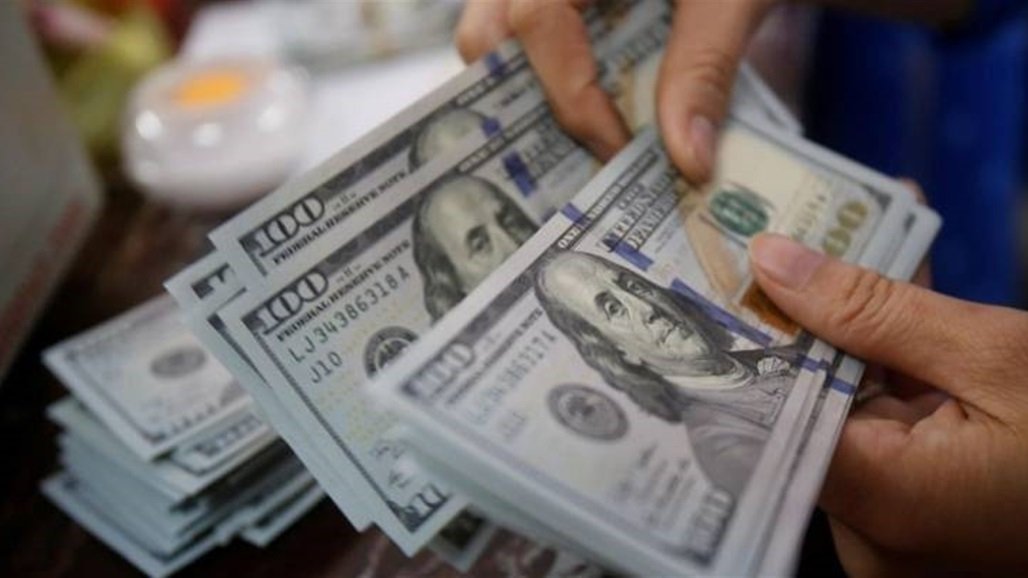
The USD/IQD exchange rate climbed in Baghdad and Erbil as the US dollar strengthened in early trading. Traders reported higher demand across local markets. As a result, the dollar hovered near 154,000 dinars per 100 dollars.
Currency trading opened with a clear upward movement. Market data showed the dollar trading at 153,750 dinars per 100 dollars in Baghdad’s main exchanges. This figure marked an increase from 153,300 dinars in the previous session. Therefore, the USD/IQD exchange rate recorded a noticeable daily gain.
In Baghdad, exchange shops sold 100 dollars for 154,250 dinars. Meanwhile, traders bought 100 dollars for 153,250 dinars. This spread reflected active market demand. Furthermore, dealers reported steady customer flow during morning hours.
At the same time, Erbil markets showed similar movement. Exchange shops in Erbil sold 100 dollars for 153,500 dinars. They bought the same amount for 153,450 dinars. Although the difference appeared small, the upward trend remained clear.
The USD/IQD exchange rate often reflects liquidity levels and import demand. When traders seek more dollars, prices tend to rise. Consequently, the Iraqi dinar weakens slightly against the US currency.
Baghdad’s Al-Kifah and Al-Harithiya exchanges play a central role in daily pricing. These hubs influence rates across the country. Therefore, changes in Baghdad quickly affect Erbil and other cities.
Currency fluctuations also impact local markets. Higher dollar prices increase costs for imported goods. As a result, traders monitor the USD/IQD exchange rate closely each day.
Despite the increase, the movement remains within recent trading ranges. Dealers expect continued volatility in the short term. However, they also anticipate stabilization if supply improves.
Financial observers stress that consistent monitoring remains essential. Even small changes in the USD/IQD exchange rate can affect retail pricing. Therefore, businesses and consumers track updates carefully.
For now, the dollar maintains its upward position in both cities. Market participants will watch upcoming sessions to see whether the trend continues or reverses