

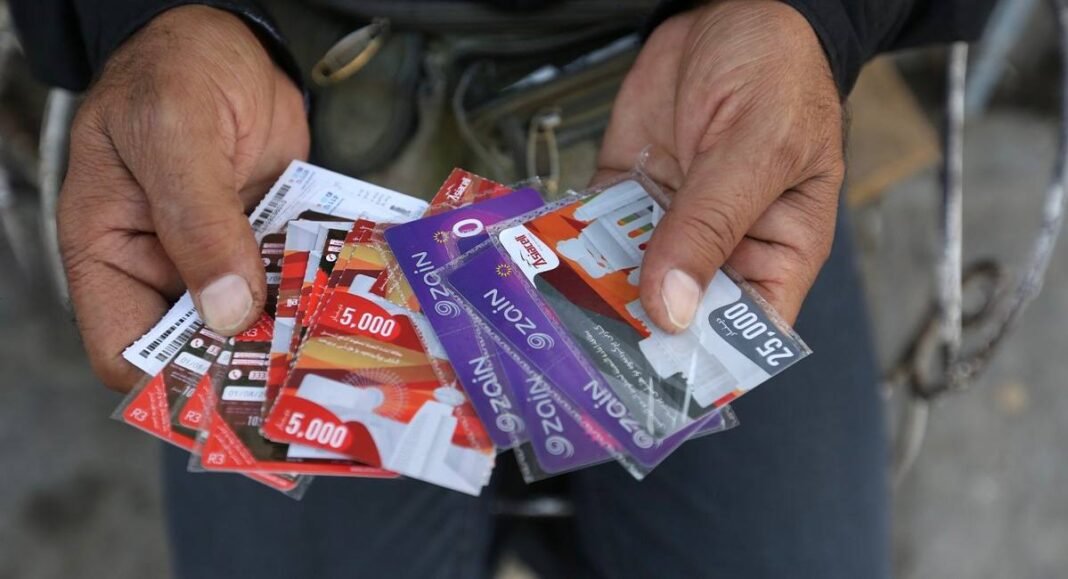
Iraq faces growing debate as the Iraq telecom tax 20% burden returns. The government has reintroduced a 20% tax on internet services and mobile recharge cards. This decision has triggered a wide discussion about its economic impact on citizens.
The policy comes under the leadership of Mohammed Shia Al-Sudani. Authorities aim to increase non-oil revenue as financial pressures rise. However, many experts question how the tax affects daily life.
Previously, the government removed this tax in 2022. Now, it has returned with a key difference. Authorities apply the tax directly to consumers instead of telecom companies. As a result, users now pay the full cost at purchase.
In contrast, earlier policies during Haider al-Abadi placed the burden on companies. At that time, firms could absorb part of the cost. They could also adjust pricing strategies to stay competitive. Today, that flexibility no longer exists.
Economic data shows rising financial pressure on the country. Domestic debt has increased from 63 trillion dinars to 91 trillion dinars. This equals around $69 to $70 billion. Therefore, the government seeks new income sources beyond oil.
Experts highlight major concerns about the new approach. Economist Nawar Al-Saadi described the shift as risky. He explained that direct taxation removes competition between telecom providers. Consequently, companies cannot reduce prices to attract users.
Moreover, consumers now feel the impact immediately. Every mobile recharge or internet subscription includes the extra 20%. This change affects millions who rely on digital services daily.
In addition, telecommunications play a key role in modern life. People depend on internet access for education, work, and business. Therefore, higher costs could slow economic activity. The Iraq telecom tax, 20% burden, creates wider social challenges.
Another expert, Ahmed Eid, criticized the policy direction. He argued that the government chose the easiest path to increase revenue. Instead of improving financial management, authorities taxed essential services.
Furthermore, he pointed out global trends. Many countries reduce taxes on digital services to support innovation. However, Iraq has taken the opposite direction. This difference raises concerns about long-term development.
At the same time, critics warn about inequality. The tax affects all users equally, regardless of income. Low-income households feel the impact more strongly. As a result, public frustration continues to grow.
Meanwhile, officials defend the decision as necessary. They argue that rising debt requires urgent action. Non-oil revenue has become essential for financial stability. Still, the debate remains active across economic circles.
In conclusion, the Iraq telecom tax 20% burden highlights a critical policy shift. It reflects the government’s effort to address financial challenges. However, it also raises serious concerns about fairness and economic impact.