

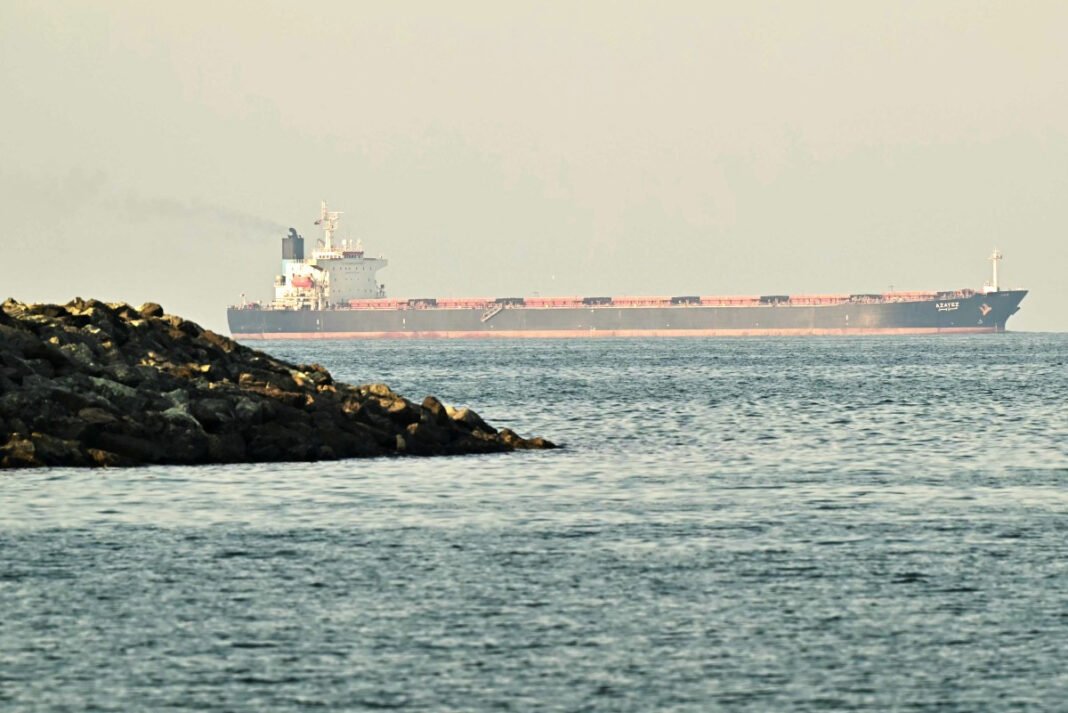
Iraq faces new maritime concerns after a tanker blast near Khor Al-Zubair. The tanker blast near Basra highlights rising threats to energy shipping in Gulf waters. Authorities quickly launched investigations after the explosion damaged a crude carrier.
The incident involved the vessel Sonangol Namibe. The tanker sails under the Bahamas flag and operates near southern Iraqi export routes. The tanker blast near Basra occurred while the vessel remained anchored near Khor Al-Zubair Port.
A small unidentified vessel reportedly approached the tanker shortly before the explosion. Crew members heard a loud blast around 01:20 local time. Shortly afterward, crew inspections revealed damage to the ship’s hull.
Operators confirmed that a ballast tank in the port section began taking water. That detail indicated a breach caused by the blast. Despite the damage, the vessel stayed stable and continued floating safely.
The tanker operates under Sonangol Marine Services management. Company representatives confirmed the damage but said the ship avoided critical structural failure. Therefore, the crew maintained control of the situation.
Authorities in southern Iraq received immediate notifications after the blast. Officials started technical assessments to determine the cause. Investigators now review maritime surveillance and security reports.
No injuries occurred during the incident. Crew members remained safe and accounted for after emergency inspections. However, the tanker blast near Basra raised concern across shipping circles.
The explosion occurred during a period of rising regional tension. Military confrontations involving the United States, Israel, and Iran have expanded across the Middle East. Consequently, security threats to maritime routes have intensified.
Energy infrastructure and shipping lanes now face heightened risk. Several countries across the region have experienced attacks and military activity. These developments increased fears of disruptions to oil transport.
The Strait of Hormuz remains one of the most sensitive corridors for global energy flows. About one-fifth of the world’s oil shipments pass through that narrow waterway. Therefore, even minor incidents near export routes draw immediate global attention.
Iraq relies heavily on southern ports for crude exports. Basra terminals handle the majority of the country’s oil shipments. Any threat near those facilities creates concern for international markets.
Shipping companies already monitor the situation closely. Insurance providers have also raised premiums due to escalating conflict risks. As a result, maritime trade faces growing uncertainty.
The tanker blast near Basra illustrates how regional tensions affect global energy supply chains. Authorities continue investigating the explosion while monitoring maritime security conditions. Officials expect further updates after technical assessments conclude.
For now, the damaged tanker remains afloat while inspectors examine the hull. Meanwhile, energy markets watch Gulf developments carefully. Any escalation could influence oil transport and global prices.