

Iraq launches structural reforms to save costs across ministries
Iraq launches structural reforms to save costs across ministries in a wide government overhaul. The plan targets lower spending and stronger performance. Moreover, officials aim to increase efficiency in public institutions.
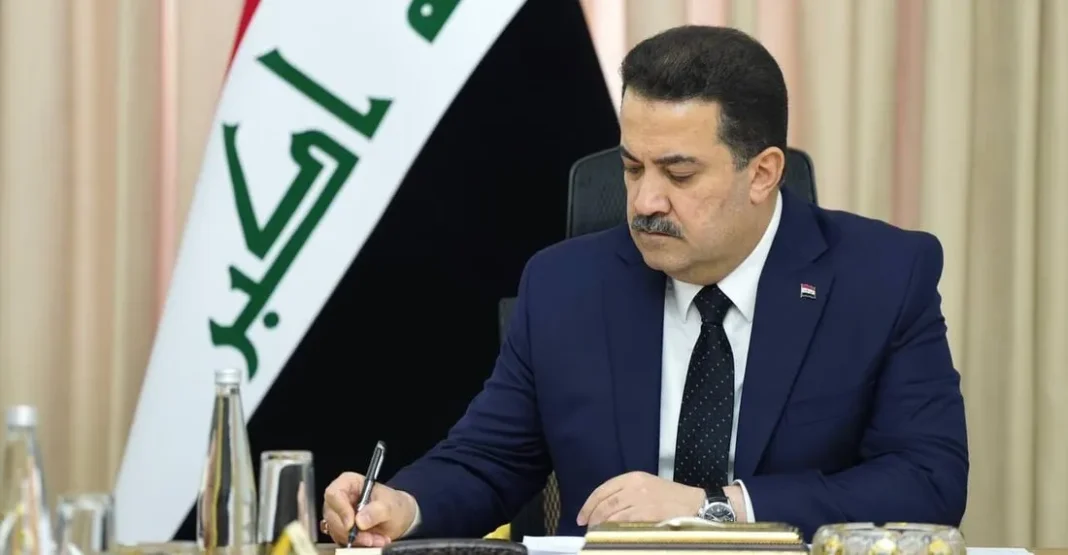
Prime Minister Mohammed Shia al-Sudani leads the restructuring campaign. He directed ministries to revise internal structures and reduce unnecessary expenses. Furthermore, he instructed departments to improve workflow and accountability.
Iraq launches structural reforms to save costs as the government program reaches 88 percent completion. Officials say the program achieved most of its goals. Therefore, the leadership now focuses on tightening operational spending.
The government canceled contracts with several consultants and specialists. These consultants worked on major public projects. However, officials decided to end contracts to reduce costs. In addition, ministries increased rationalization measures across operational budgets.
Al-Sudani ordered all government entities to implement cabinet decisions strictly. He demanded efficient allocation of public resources. Consequently, ministries must justify expenditures and avoid waste.
In December, al-Sudani reviewed public expenditure during a meeting of the Ministerial Council for Economy. Leaders examined allocations for senior officials. They also discussed ways to enhance state income. Moreover, they explored reforms in salary structures and allowances.
Officials debated adjustments to salaries within the Iraqi presidency, parliament, and cabinet. As a result, the government assigned the Ministry of Planning to prepare a detailed report. The committee will propose a unified salary scale for all public employees. This step aims to reduce disparities and improve fairness.
Iraq launches structural reforms to save costs with strict travel restrictions. The prime minister ordered a 90 percent reduction in travel allowances for state employees. Ministries may approve travel only when absolutely necessary. Furthermore, ministers must personally authorize such trips.
Economic advisers believe these measures could ease budget pressures. Iraq relies heavily on oil revenues to fund public spending. Therefore, leaders seek financial discipline amid fluctuating oil prices. Stronger cost controls can protect public finances.
Additionally, experts argue that structural reform can enhance institutional performance. Leaner departments often deliver faster decisions. Clearer salary systems may also improve morale among employees. However, analysts note that reform success depends on consistent enforcement.
The government stresses that reforms aim to strengthen service delivery. Officials want ministries to operate efficiently while maintaining core programs. Citizens expect better public services and responsible financial management.
Overall, Iraq launches structural reforms to save costs in a decisive fiscal move. The leadership seeks sustainable spending and improved governance. Observers now watch implementation across ministries.