

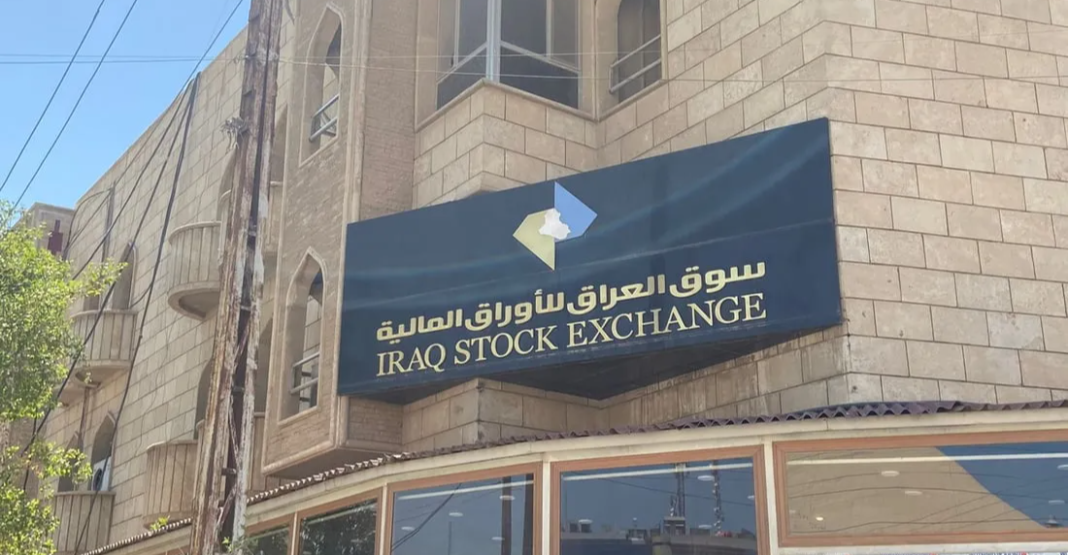
Iraqi stocks reached all-time highs even as war continues to affect the region. The Iraq stock market growth shows resilience despite ongoing geopolitical tensions. Investors responded positively to both economic and national events.
The Rabee Securities U.S. Dollar Equity Index rose 2.6% in March and 3.2% year-to-date. This increase comes after a three-year rally, during which the index grew 224.5%. Market gains continue despite fears of war and global uncertainty.
Meanwhile, Iraq celebrated a national milestone with its 2-1 victory over Bolivia, securing World Cup qualification for the first time in 40 years. The win sparked public celebrations and a government-declared two-day holiday, boosting local confidence and sentiment.
Throughout March, the market overcame early minor losses caused by the war. Prices stabilized as selling was met with strong buying interest. The average daily traded value rose 22.1% month-over-month, signaling investor confidence rather than panic.
The Iraqi dinar parallel market also reflected market stability. Increased demand for USD from importers and customs changes initially drove a delta between parallel and official rates. However, the delta leveled off after mid-March due to adjustments in import activity and easing of customs processes.
Oil prices continue to influence market expectations. Brent futures show that disruptions from the Strait of Hormuz closure and damage to refining infrastructure affect global supply. Even with potential near-term resolutions, oil revenues remain critical for Iraq’s economy.
Currently, almost 94% of Iraq’s oil exports are impacted by the Strait closure. Despite this, March oil revenues reached IQD 2.5 trillion, with an average oil price of USD 105 per barrel. Exports through alternative routes like Turkey’s Cihan port and Iran-facilitated shipments to China and India provide additional revenue, projected to generate IQD 8.2 trillion per month in a best-case scenario.
Overall, the market reflects optimism rooted in structural economic developments and relative stability. While risks from the war remain high, stock and currency markets show resilience. Analysts note that ongoing reforms, banking developments, and gradual revenue inflows will likely support growth over the next few years.