

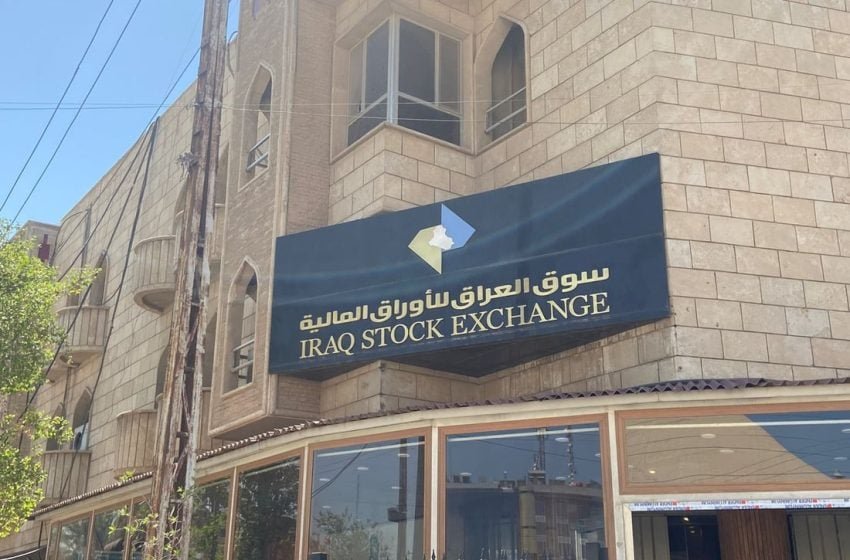
Iraq reports notable movement in equity trading through the Iraq stock market activity. Investors continued trading despite lower volumes during the week. Therefore, the market still reflects engagement from different participants. Moreover, officials highlight total trading value exceeding five billion dinars. This figure shows continued circulation of capital. However, indicators also reveal a clear slowdown. The Iraq stock market activity remains an important economic signal.
First, the exchange recorded trading in many listed companies. Dozens of firms saw active share movement. At the same time, several companies experienced no trades. This situation resulted from gaps between buy and sell orders. Consequently, liquidity varied across sectors. In addition, some companies stayed suspended due to missing disclosures. This issue affects transparency and investor confidence.
Meanwhile, total traded shares reached several billion units. This volume marked a sharp weekly decline. Therefore, market momentum slowed noticeably. Likewise, total transaction value dropped significantly. Fewer deals occurred compared with earlier activity. Still, thousands of transactions took place. This level shows that trading did not stop.
Moreover, the main price index closed slightly lower. This movement signaled mild downward pressure. Investors reacted cautiously to market conditions. However, the decline remained limited. Thus, the index avoided sharp losses. Analysts view this change as a correction rather than a collapse.
Foreign investors also played a role in Iraq stock market activity. Non-Iraqi buyers purchased large volumes of shares. These purchases reflected confidence in selected stocks. At the same time, foreign investors sold smaller volumes. This difference suggests balanced foreign positioning. Consequently, international interest stayed present.
In addition, local investors continued to dominate trading. Domestic participation supports market stability. Banks, service firms, and industrial companies attracted attention. Therefore, sector diversity remained visible. This diversity helps reduce systemic risk. It also spreads investment opportunities.
The exchange operates several sessions each week. This schedule allows steady trading flow. Listed companies represent many economic sectors. These sectors include banking, telecom, agriculture, and tourism. Insurance and investment firms also appear. As a result, the exchange mirrors the broader economy.
Despite lower numbers, observers see positive signs. Continued trading shows resilience. Participation from foreign investors adds credibility. Moreover, regular reporting improves transparency. These factors support long-term development. Therefore, analysts encourage gradual reforms.
Liquidity challenges remain a concern. Fewer trades limit price discovery. Also, suspended companies reduce market depth. Regulators may need stricter disclosure enforcement. Better compliance could restore confidence. Consequently, activity may recover.
Furthermore, market education could attract new investors. Awareness improves participation and volume. Digital tools may also support access. These steps strengthen the trading environment. Over time, reforms could boost performance.
The Iraq stock market activity reflects both caution and commitment. Investors respond to short-term signals carefully. At the same time, they maintain long-term interest. This balance defines current conditions. The Iraq stock market activity continues to play a role in economic life. The Iraq stock market activity remains a key indicator for business trends.