

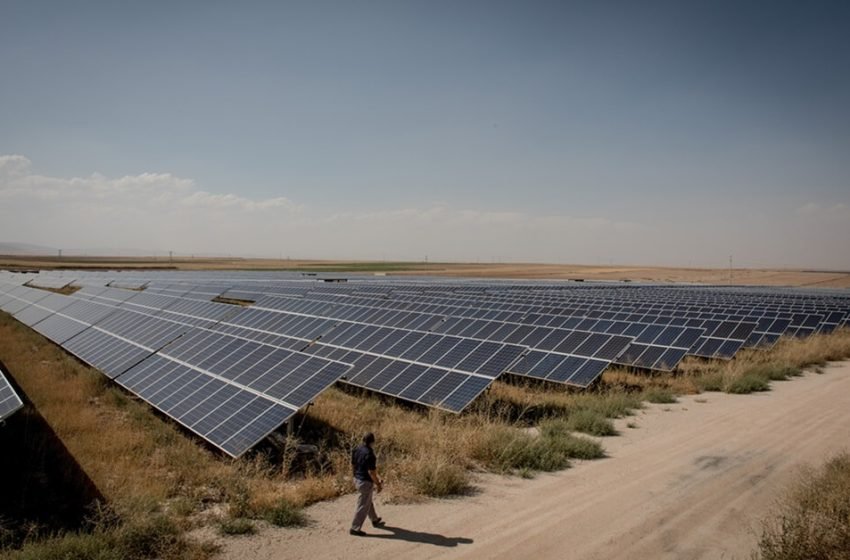
Iraq is launching a major initiative to roll out 1,000 small solar energy projects across the country. The plan aims to reshape Iraq’s energy sector by adding more renewable energy sources.
Notably, the government wants solar energy to become a core part of the national energy mix by 2030.
Importantly, Mazhar Mohammed Salih, advisor to the Prime Minister, revealed the plan during a media briefing. He stressed the need for rapid progress in renewable energy development.
Salih explained that Iraq enjoys over 300 sunny days each year. The country also experiences high solar radiation levels. Despite this, solar energy currently provides less than 1% of Iraq’s electricity supply.
Additionally, the government wants to change this through Iraq solar projects focused on homes, farms, small businesses, and public services.
Clearly, these projects will help reduce pressure on the national power grid. They will also cut fuel import costs and reduce the need for costly infrastructure upgrades.
Salih emphasized the broader economic benefits of solar energy. Iraq solar projects will create skilled jobs in technology and energy services.
Importantly, to support this transition, Iraq will launch a national platform for regulating the solar energy market. This includes licensing, training programs, and enforcing quality standards.
The government also plans to offer loans, including funding through the Central Bank, to help households and businesses install solar systems.
Essentially, Public-private partnerships will play a big role in expanding solar energy. The government encourages private firms to invest in solar projects. Local authorities will help promote these partnerships by easing regulations and offering incentives.
Furthermore, Salih described this initiative as part of a clear national strategy. He said the plan covers everything from urban homes to rural farms.
By 2030, Iraq aims to make solar energy a key part of its energy future. The country hopes this transition will improve energy access, support climate goals, and modernize its energy infrastructure.