

Iraq is making significant changes to its energy supply strategy as it transitions from relying on Iranian gas to sourcing gas from the Gulf Cooperation Council (GCC) countries. This shift follows tighter US sanctions on Iran, which have hindered Iraq’s ability to import Iranian gas, essential for powering its plants.
The US Department of State recently ended a sanctions waiver that allowed Iraq to buy electricity from Iran, creating new challenges for Iraq’s energy sector. The move comes as the US continues to pressure Iran by reducing its influence in the region. According to the US State Department’s principal deputy spokesperson, Vedant Patel, a stable and sovereign Iraq is a key priority for the US.
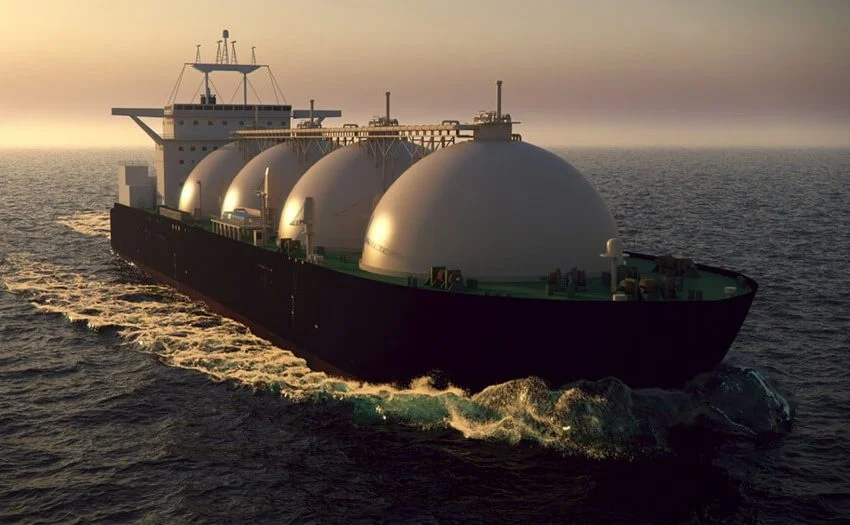
To meet its energy needs, Iraq has started working on alternative solutions. Ali Shaddad, the spokesperson for the Iraqi Parliamentary Oil, Gas, and Natural Resources Committee, confirmed that the Ministry of Oil had initiated the construction of a gas pipeline project in Basra. This pipeline will connect to a floating platform and is expected to be completed in 120 days. Once finished, the pipeline will be able to transport up to 200 cubic meters of gas from the GCC region.
This project is part of Iraq’s broader efforts to reduce its dependence on Iranian energy supplies. Despite previous agreements with the US allowing Iraq to import power from Iran, sanctions on Iran have made it increasingly difficult for Iraq to pay for these imports.
In response, Iraq has invested in several projects aimed at boosting its domestic energy capacity. These initiatives include utilizing flared gas and expanding renewable energy sources to ensure a more sustainable and independent electricity supply in the future.
The shift to Gulf gas represents a significant step toward Iraq’s long-term energy security, as it aims to diversify its energy imports while navigating the complexities of international sanctions and political dynamics in the region.