

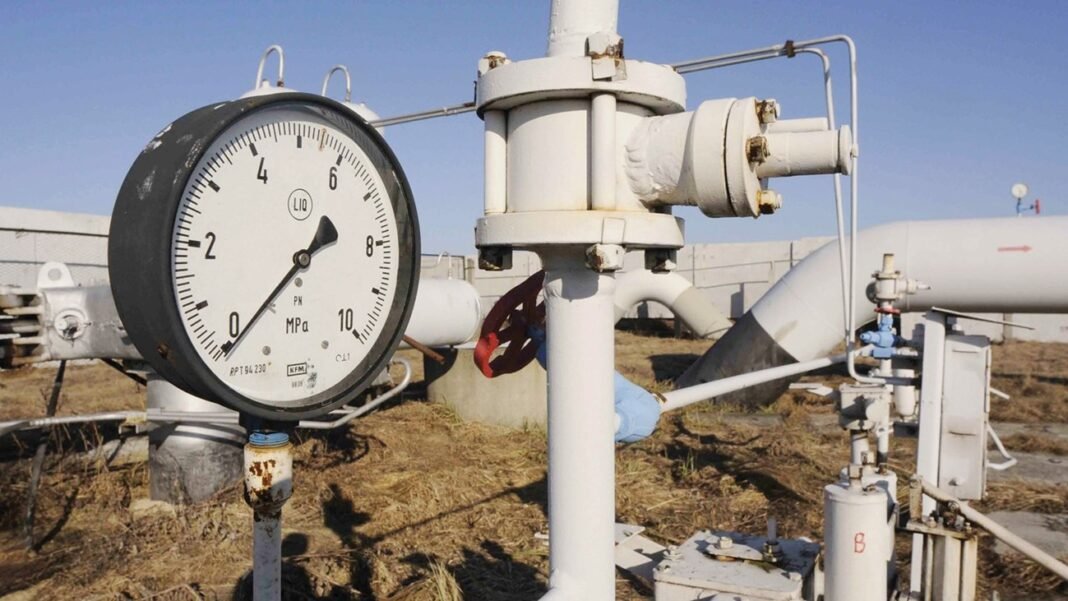
Iraq is set to import 200,000 tons of Liquefied Petroleum Gas (LPG) to strengthen national fuel reserves. The Ministry of Oil confirmed that this step aims to secure long-term supply for households and industries. Consequently, Iraq reinforces energy stability amid regional market pressures.
The Ministry of Oil stated that it received Cabinet approval to import two shipments totalling 200,000 tons. The decision follows recommendations from the national Crisis Cell and supervision by the Deputy Prime Minister for Energy Affairs and Minister of Oil, Hayan Abdul Ghani.
Ali Maarij, Undersecretary for Distribution Affairs, explained that current production meets daily needs. However, importing LPG creates a precautionary buffer for future supply challenges. “These shipments will support supply operations for extended periods and build a strong strategic reserve,” he said.
The 200,000 tons of LPG will be integrated into Iraq’s national fuel reserves, ensuring uninterrupted access for homes and industries. Experts note that such reserves help the country withstand regional energy crises and sudden market fluctuations.
The Ministry also highlighted that managing fuel reserves reduces dependence on emergency imports during peak demand. This move strengthens Iraq’s energy security and reassures citizens and businesses of a stable fuel supply.
Officials emphasized careful coordination to distribute imported LPG efficiently. Strategic planning will prioritize areas with higher consumption and ensure equitable access nationwide. Moreover, monitoring systems will track reserve levels and prevent shortages.
The LPG imports mark a proactive step by Iraq to address potential future energy gaps. By securing 200,000 tons, the government prepares for seasonal demand spikes or unexpected supply disruptions. As a result, households and industries can operate without major interruptions.
In conclusion, Iraq’s import of 200,000 tons of LPG demonstrates a strong commitment to energy security. Strategic reserves provide stability for daily consumption and industrial needs. With careful management, the nation ensures long-term fuel supply and mitigates risks from regional crises.