

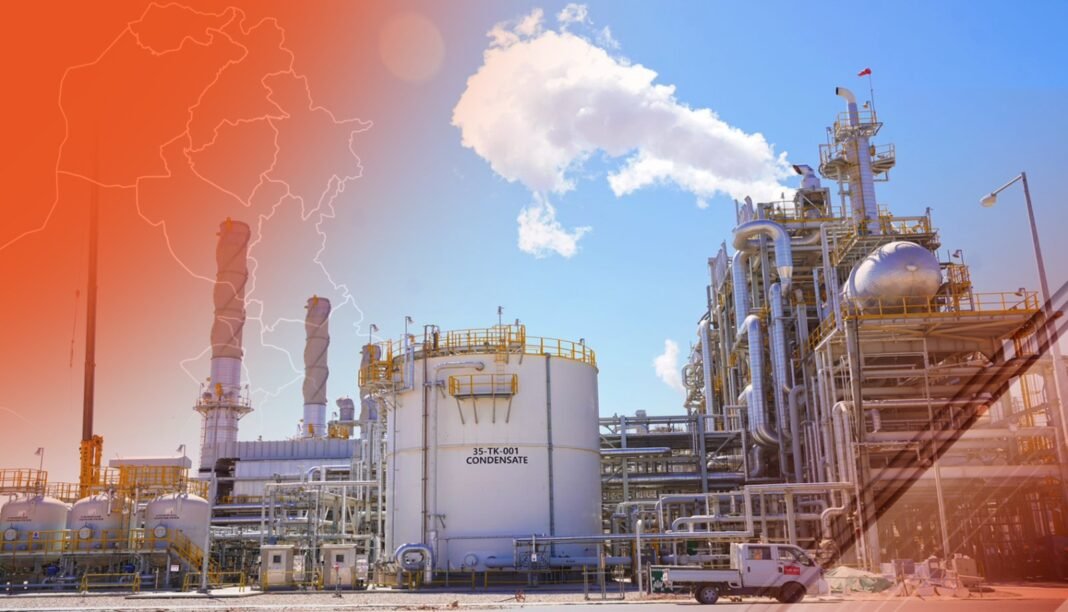
Iraq strengthens its energy system through a major refining milestone in the north. First, officials launched final operations at the Salahuddin-3 facility in Baiji. As a result, the refinery began sending fuel products to national storage centers. Therefore, Iraq moves closer to energy independence and supply security.
The new facility delivers a daily capacity of seventy thousand barrels. Moreover, this output supports rising domestic fuel demand. Consequently, authorities expect smoother distribution across northern and central areas. In addition, the refinery supports stable prices through steady local supply.
Iraq refinery expansion reflects a wider plan to rebuild northern energy infrastructure. Accordingly, the government focused on restoring damaged industrial assets. Furthermore, national engineers led every stage of the project. Thus, local expertise proved its growing technical strength.
Officials confirmed that refinery products meet global technical standards. Therefore, markets can use gasoline, kerosene, and gas oil immediately. In turn, consumers gain reliable access to essential fuels. Meanwhile, transport and power sectors benefit from steady deliveries.
The Salahuddin-3 project also complements earlier refinery upgrades nearby. As a result, combined output in the region increased significantly. Moreover, this growth reduces pressure on southern refineries. Consequently, Iraq improves national balance in fuel production.
Leaders emphasized speed and efficiency throughout the project. For example, teams completed construction faster than expected. Additionally, managers coordinated closely across technical units. Thus, strong planning ensured timely operational readiness.
Iraq refinery expansion also reduces dependence on imported fuel. Therefore, the state saves large amounts of foreign currency. In addition, officials aim to redirect savings toward development projects. As a result, refining supports broader economic recovery.
Once domestic demand reaches full coverage, exports will follow. Accordingly, surplus refined products will reach external markets. Moreover, exports will diversify national income sources. Thus, refining strengthens both trade and fiscal stability.
The project aligns with a national vision for self-sufficiency. Consequently, leaders seek to transform Iraq into a fuel exporter. Furthermore, domestic refining lowers exposure to global supply disruptions. Therefore, energy security improves over time.
Local workers and engineers managed daily operations at the refinery. In addition, Iraqi companies supplied technical services and materials. As a result, the project boosted local employment and skills. Meanwhile, industrial confidence increased nationwide.
Iraq refinery expansion signals long-term commitment to energy reform. Therefore, officials plan further upgrades and new facilities. Moreover, refining remains central to economic diversification goals. Finally, Iraq positions itself as a stronger energy producer through local capacity.