

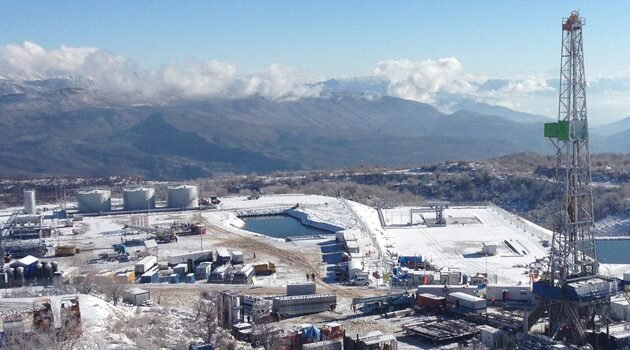
Baghdad—A new strike has shaken Iraq as a drone targeted a key energy site. The incident hit the Sarsang oilfield in Duhok province. Officials quickly confirmed the attack and linked it to a drone. This Iraq oilfield drone attack raises fresh security concerns.
First, security sources reported the strike in the Kurdistan Region. The Sarsang field lies near the Chamanke district in Duhok. It plays a vital role in regional oil production. Therefore, the Iraq oilfield drone attack threatens economic stability.
Moreover, the field operates under HKN Energy. It produces around 30,000 barrels per day. This output supports the financial structure of the Kurdistan Region. As a result, any disruption affects revenue and operations.
In addition, the site has faced repeated attacks in recent months. Earlier incidents caused damage and forced temporary shutdowns. Consequently, the Iraq oilfield drone attack reflects a pattern of escalating threats.
Meanwhile, another serious incident unfolded in Erbil. Drone strikes targeted an oil storage facility in the city. The first attack triggered a large fire at the warehouse. Emergency teams rushed to contain the flames.
However, attackers launched additional strikes during the response. A second drone hit the same site shortly after. Then, a third strike followed later in the morning. Another drone exploded before reaching its target. These events intensified the crisis.
Furthermore, local authorities confirmed the sequence of attacks. Omed Khoshnaw described the timeline in detail. He stressed that repeated strikes endangered emergency crews. Therefore, the situation demanded urgent action.
At the same time, regional tensions continue to rise. The confrontation involving the United States, Israel, and Iran has intensified instability. As a result, attacks on energy infrastructure have increased sharply.
During recent weeks, multiple oil and gas sites have faced strikes. These attacks caused fires and halted production. Thus, the Iraq oilfield drone attack fits into a broader escalation.
In response, authorities in the Kurdistan Region blamed armed groups with links to Iran. They warned that continued attacks could damage the economy further. Additionally, they urged stronger protection for energy facilities.
Looking ahead, security forces may increase surveillance and defense systems. Leaders aim to prevent further disruptions. However, risks remain high amid ongoing regional conflict.
In conclusion, the Iraq oilfield drone attack highlights growing threats to critical infrastructure. The repeated targeting of energy sites signals a dangerous trend. Iraq now faces urgent challenges to secure its oil sector.