

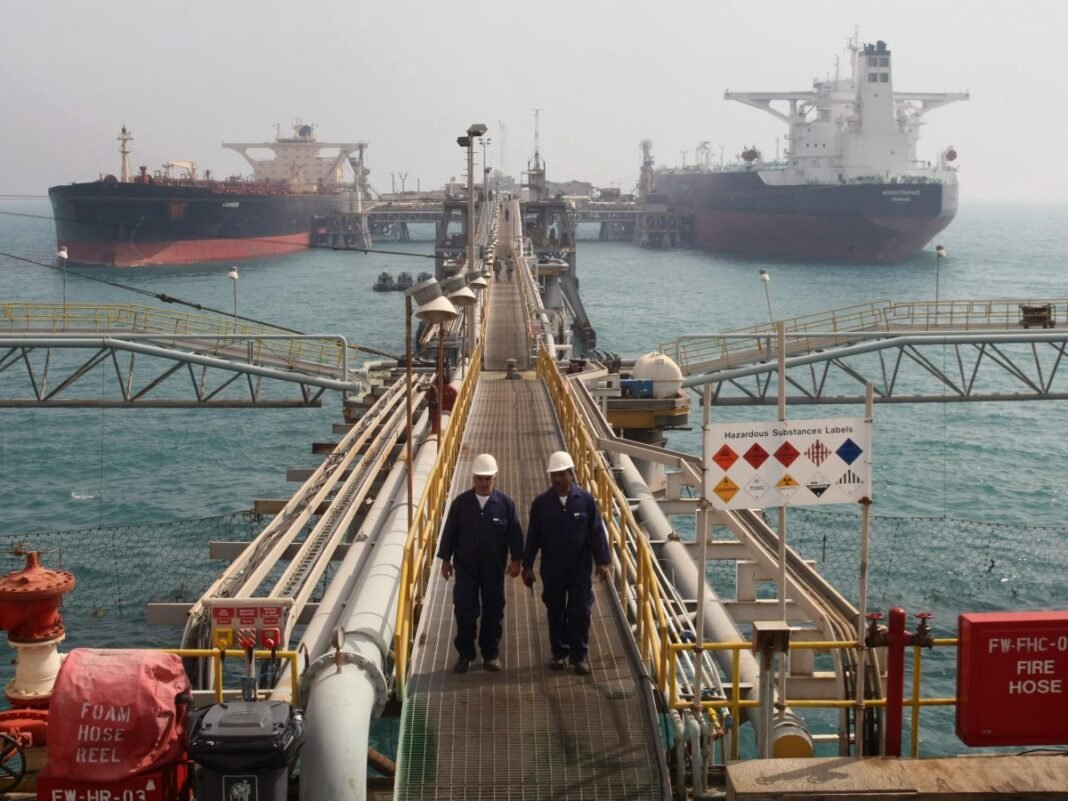
Iraq oil output freeze remains central to current energy market coordination. Iraq will maintain limits on oil production growth within the OPEC+ alliance. This decision supports global oil price stability during a period of rising crude prices. Therefore, Iraq oil output freeze reflects strategic market discipline.
As a committed OPEC+ member, Iraq aligns closely with collective production policies. The alliance agreed to pause planned output increases. This pause follows a steady rise in international crude prices. Consequently, producers aim to prevent sudden market imbalances.
Brent crude prices climbed to nearly 71 dollars per barrel. This level marked the strongest price point in six months. Supply concerns influenced this upward movement strongly. In addition, geopolitical tensions added pressure to markets.
Earlier, major oil producers increased output significantly. Eight leading countries raised production by about 2.9 million barrels per day. These increases occurred over several months. However, producers later reviewed market demand carefully.
Seasonal demand weakened during winter months. As a result, OPEC+ members froze additional output increases. This freeze covered the early part of the year. Therefore, Iraq oil output freeze matched broader alliance strategy.
Iraq plays a vital role within OPEC+. The country contributes a large share of total alliance production. This contribution gives Iraq strong influence over supply decisions. Moreover, Iraq helps stabilize markets through disciplined output.
Energy analysts view Iraq’s position as strategically important. Nearly half of global oil output falls under OPEC+ coordination. Iraq’s compliance strengthens alliance credibility. Thus, coordinated action prevents sharp price swings.
Producers also considered external supply risks. Oil production disruptions appeared in Kazakhstan. These disruptions tightened available supply further. Consequently, prices found additional support.
Markets also monitored regional political developments closely. Iran-related issues drew strong attention from traders. Sanctions discussions affected market sentiment. At the same time, diplomatic signals influenced price expectations.
OPEC+ leadership scheduled coordination meetings to review conditions. Ministers planned discussions to assess compliance levels. Monitoring committees examined production data carefully. However, these committees do not change output policy directly.
Iraq continues to balance national revenue needs with market responsibility. Stable prices support budget planning. Meanwhile, excessive price spikes could harm demand. Therefore, Iraq oil output freeze supports long-term balance.
The Iraqi government values predictable oil income. Stable export revenues fund public services. At the same time, price stability protects global consumers. This balance strengthens Iraq’s international energy reputation.
Analysts expect Iraq to maintain close coordination with allies. Future decisions will depend on demand recovery signals. Inventory levels will also influence policy. Therefore, flexibility remains important.
Oil markets reacted calmly to the continued freeze. Traders priced in supply discipline already. Volatility remained limited. This reaction suggests confidence in OPEC+ coordination.
Iraq oil output freeze also reflects broader economic strategy. Energy stability supports investment planning. It also reassures international partners. Thus, Iraq reinforces its role as a reliable producer.
Global oil demand may rise later in the year. Economic activity could strengthen. However, producers prefer caution. Hence, Iraq oil output freeze remains justified.
Energy experts emphasize patience in current conditions. Gradual adjustments reduce market shocks. Iraq follows this approach closely. Therefore, coordination remains the preferred path.
Overall, Iraq’s decision supports price stability and alliance unity. Market participants welcomed consistent messaging. Oil prices stayed supported without overheating. Iraq oil output freeze continues to guide market expectations.