

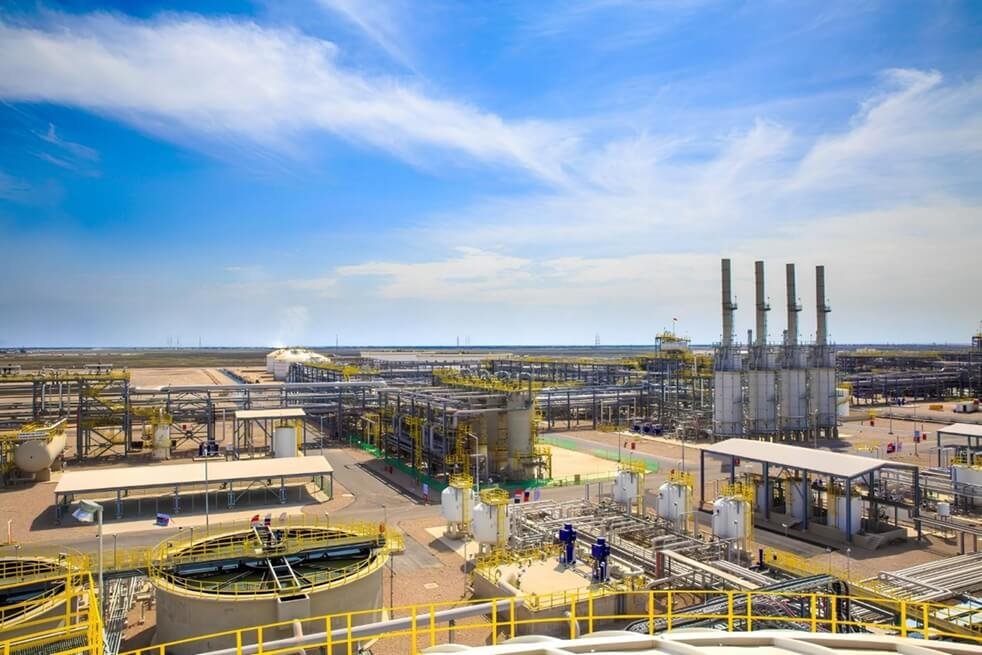
Iraq firmly rejected claims about oil nationalization at West Qurna 2 and clarified a technical decision instead. Officials explained that Iraq has always owned the oilfield and never transferred ownership. Therefore, nationalization claims created confusion and misrepresented legal reality. Moreover, Iraq stressed that service contracts govern foreign company involvement. Under these contracts, companies operate fields for fees, not ownership. Consequently, Iraq maintained full control of West Qurna 2 at all times.
Recently, U.S. sanctions created operational pressure on Lukoil. As a result, Lukoil declared force majeure and faced financial barriers. Therefore, Iraq needed a practical solution to protect production. West Qurna 2 contributes a significant share of national crude output. Because of this importance, Iraq acted quickly and decisively. The cabinet approved a West Qurna 2 oil management change to secure operations.
First, Iraq transferred daily management to Basra Oil Company. Basra Oil Company already manages major southern oilfields successfully. Thus, Iraq relied on existing expertise and infrastructure. Meanwhile, Iraq ensured continued cooperation with Lukoil. Officials did not cancel contracts or remove rights. Instead, they provided flexibility and time.
Iraq also adjusted financing methods to support operations. Specifically, authorities used funds from the Majnoon field account. Additionally, SOMO managed crude sales to fund activities. Therefore, Iraq avoided restricted international banking systems. This approach ensured uninterrupted oil flows and stable revenues. Furthermore, Iraq protected workers and technical staff on site.
At the same time, Iraq reassured international partners about stability. Officials emphasized transparency and legal clarity. Consequently, Iraq denied political motives behind the decision. Leaders described the move as technical and temporary. Iraq also granted Lukoil a one-year grace period. During this period, sanctions conditions may change. Alternatively, Lukoil may transfer its role to another company. Hence, Iraq kept future options open and flexible.
Meanwhile, several global energy companies expressed interest. These companies evaluated potential operational roles carefully. However, Iraq prioritized continuity over rapid changes. Therefore, officials avoided rushed decisions. Throughout the process, Iraq defended its economic interests. Leaders focused on protecting national income and output levels.
Moreover, Iraq highlighted sovereignty over natural resources. The West Qurna 2 oil management change supports these goals. Additionally, Iraq sought to maintain investor confidence. Officials rejected misleading international reports strongly. They clarified facts through diplomatic channels. As a result, Iraq aimed to stabilize market perceptions.
This situation reflects Iraq’s broader energy strategy. The country adapts to global pressures with technical solutions. At the same time, Iraq avoids unnecessary conflict. Ultimately, Iraq confirmed that no nationalization occurred. Instead, Iraq applied a temporary management adjustment. This step ensured steady production and economic security. Therefore, the West Qurna 2 oil management change represents continuity, not takeover.