

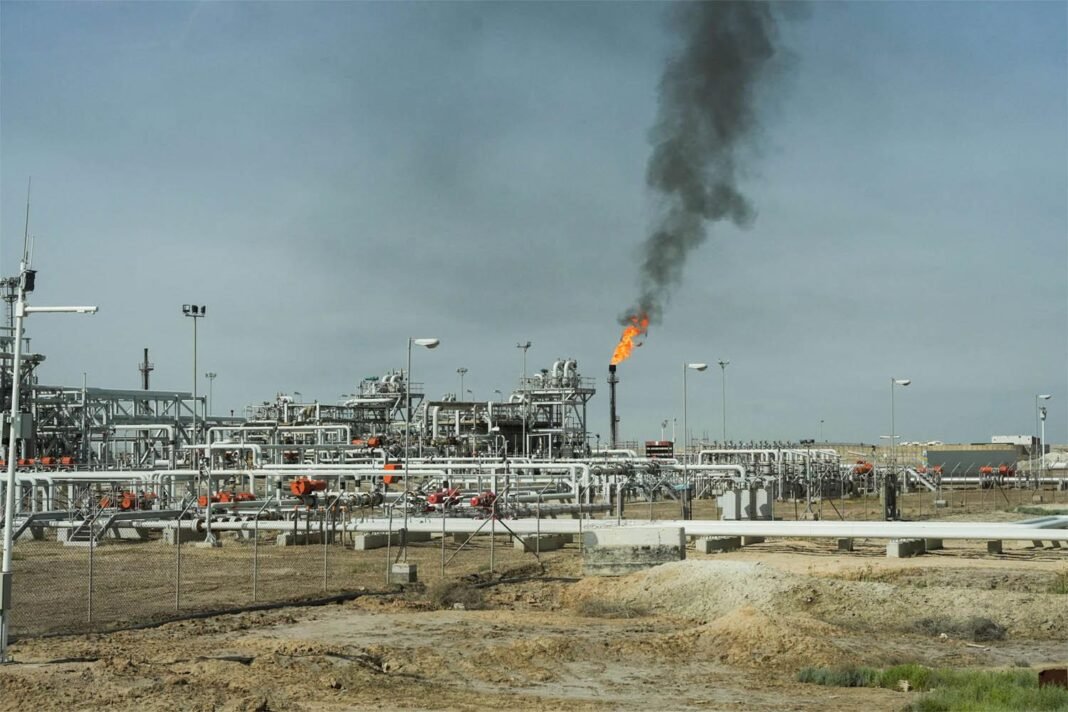
Iraq continues to expand regional energy cooperation through rising crude shipments to Jordan. Moreover, officials highlight stronger economic coordination as exports exceed two million barrels. Therefore, this progress signals steady growth in the Iraq Jordan oil trade. In addition, energy planners describe the partnership as reliable and strategically important.
Furthermore, data from the national oil marketing authority shows consistent delivery flows. As a result, Jordan secures stable fuel supplies for domestic use. Meanwhile, Iraq strengthens its position in nearby energy markets. Consequently, both countries benefit from predictable trade channels and lower transport risks.
Government decisions played a direct role in export growth. Specifically, authorities approved higher daily shipment volumes. As a result, export capacity increased quickly. Moreover, logistics teams adapted operations smoothly to meet rising demand. Thus, trade efficiency improved across the supply chain.
The Iraq Jordan oil trade supports Jordan’s energy security in a practical way. In fact, Iraqi crude covers a significant share of local consumption. Therefore, Jordan reduces dependence on distant suppliers. At the same time, Iraq gains steady demand and revenue stability.
Jordan refines imported Iraqi crude at national facilities. Consequently, refinery operations continue without disruption. Additionally, local processing supports industrial activity and employment. Thus, the agreement delivers economic value beyond raw exports.
However, shipment volumes varied during different periods. Nevertheless, cumulative exports continued to rise. Meanwhile, officials monitored flows closely and adjusted delivery schedules when needed. Accordingly, coordination remained strong between both sides.
Energy officials emphasized the importance of regional partnerships. Moreover, proximity lowers costs and improves supply reliability. As a result, long-term energy planning gains clarity. Likewise, commercial trust between Iraq and Jordan continues to deepen.
Market observers expect steady shipments to continue. In addition, regional demand supports sustained cooperation. Therefore, the Iraq Jordan oil trade remains a key pillar of economic alignment. In conclusion, crude exports demonstrate effective regional collaboration and shared energy interests.