

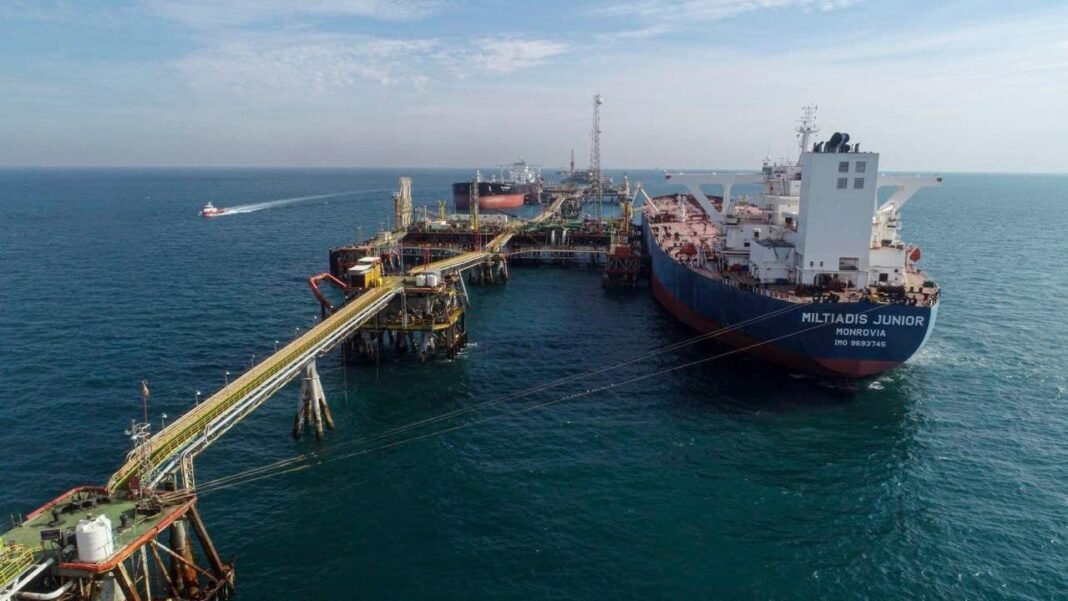
Iraq pushes forward with the oil exports stability push after easing pressure in the Strait of Hormuz. Moreover, officials act quickly to restore confidence in global energy markets. The move reflects a broader push to secure the stability of oil exports.
First, Iraq’s state oil marketer, the State Organization for Marketing of Oil, asked buyers to submit crude lifting schedules within 24 hours. This step aims to speed up export coordination. At the same time, it shows urgency after disruptions slowed tanker traffic.
Previously, regional tensions disrupted shipping routes across the Gulf. As a result, tanker movement declined, and trade activity weakened. However, recent developments brought some relief. Reports suggest that Iran eased transit restrictions for Iraqi shipments through the Strait of Hormuz.
Consequently, Iraq now tries to normalize export operations. Officials want to reassure global buyers. Therefore, they emphasize that supply chains remain reliable. This reassurance supports the ongoing oil exports stability push.
In addition, Iraq confirmed that key export infrastructure remains fully active. The Basrah Oil Terminal continues operations without interruption. This terminal handles most of Iraq’s oil exports. Thus, its stability plays a critical role in maintaining output levels.
Furthermore, Iraq stated that it stands ready to meet all contractual obligations. Buyers expect a consistent supply. Therefore, the government prioritizes smooth logistics and fast vessel scheduling. These actions help rebuild trust among international partners.
However, challenges remain. Even though restrictions eased, security risks continue across the Gulf. Shipping companies still monitor the situation closely. As a result, maritime activity has not fully returned to normal levels.
Meanwhile, energy markets watch Iraq’s moves carefully. Stable exports from Iraq influence global oil prices. Therefore, any disruption or recovery carries a global impact. Iraq understands this responsibility and continues to act decisively.
In the broader context, Iraq depends heavily on oil revenues. Stable exports support the national economy. For this reason, officials push hard to avoid further interruptions. They also coordinate with regional partners to reduce risks.
Looking ahead, Iraq will likely maintain strict monitoring of shipping routes. Additionally, it may introduce more measures to protect exports. These steps could strengthen long-term stability.
In conclusion, Iraq accelerates efforts to restore oil flows. It uses fast coordination, active infrastructure, and regional cooperation. While risks persist, the country continues to move forward with confidence.