

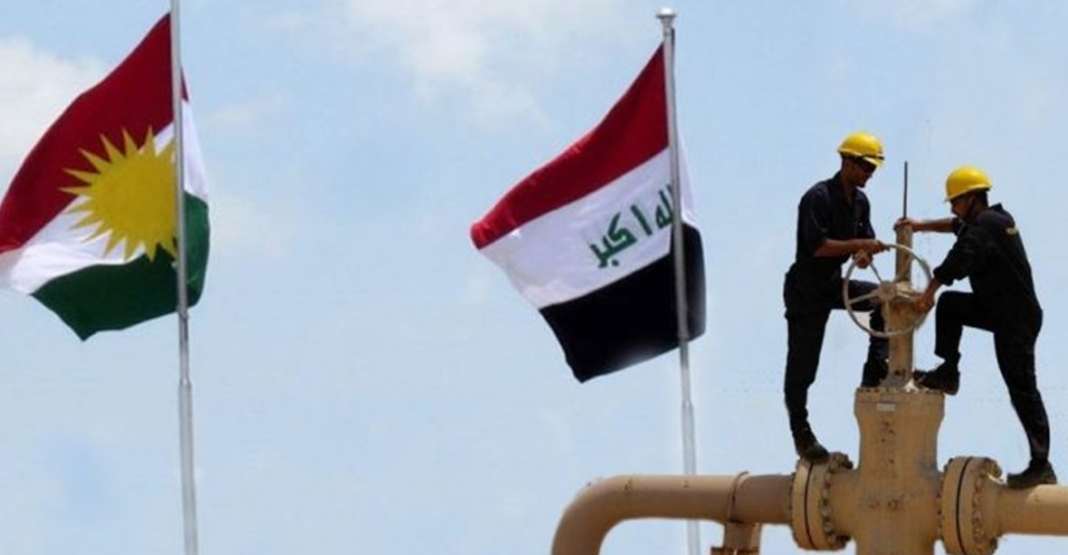
Iraq oil export dispute push intensifies as Baghdad urges the Kurdistan Regional Government to resume crude exports quickly. Moreover, rising regional tensions have disrupted key southern routes. Therefore, Iraq now seeks urgent alternatives to maintain stable oil flows.
First, Iraq’s Oil Ministry called on the KRG to restart exports through the pipeline to Ceyhan in Türkiye. Officials stressed that delays could trigger legal action. In addition, the ministry warned that continued disagreement could harm national economic interests. As a result, pressure continues to grow between both sides.
Meanwhile, Iraq’s oil export dispute push comes at a critical moment. Southern shipments face disruption due to instability around the Strait of Hormuz. Consequently, Iraq must rely on northern routes to sustain exports. Therefore, restoring pipeline operations has become a top priority.
Furthermore, Baghdad rejected the recent conditions set by the KRG Natural Resources Ministry. These conditions included halting production due to repeated attacks on energy facilities. They also included demands to resolve public sector salary payments. However, Baghdad described these demands as political rather than technical. As a result, tensions have increased between federal and regional authorities.
In addition, the ministry announced plans to restart the Kirkuk–Ceyhan pipeline within days. This step would allow direct exports from Kirkuk oil fields. Moreover, officials proposed using a temporary link between Sarlawa and Fishkhabour. This route could export up to 250,000 barrels per day. Therefore, Iraq could partially offset current disruptions.
At the same time, officials stated that total exports through this route could reach 450,000 barrels per day. This increase would help Iraq benefit from higher global oil prices. Consequently, the country could stabilize its revenue despite regional instability.
Moreover, the Iraq oil export dispute highlights legal and constitutional concerns. Baghdad emphasized that the Iraq–Türkiye Pipeline remains a federal asset. The pipeline has a capacity exceeding 1 million barrels per day. Therefore, the federal government claims full authority to manage and operate it. In addition, Türkiye has shown readiness to support export operations.
On the other hand, Baghdad rejected linking oil exports to salary payments. Officials stated that salary issues fall under the Finance Ministry. They also noted that legal frameworks already exist to manage payments. Furthermore, the government defended the ASYCUDA system as an anti-corruption tool. This system supports trade transparency and increases foreign currency inflows.
Finally, Baghdad accused the KRG of violating constitutional provisions on oil and gas management. Officials argued that these resources belong to all Iraqis. They also warned that current actions could damage the national economy. Therefore, they urged parliament to intervene and resolve the dispute.
In conclusion, the Iraq oil export dispute push reflects deep political and economic tensions. However, restoring exports remains essential for national stability. If both sides cooperate, Iraq can secure vital oil revenues and reduce market risks.