

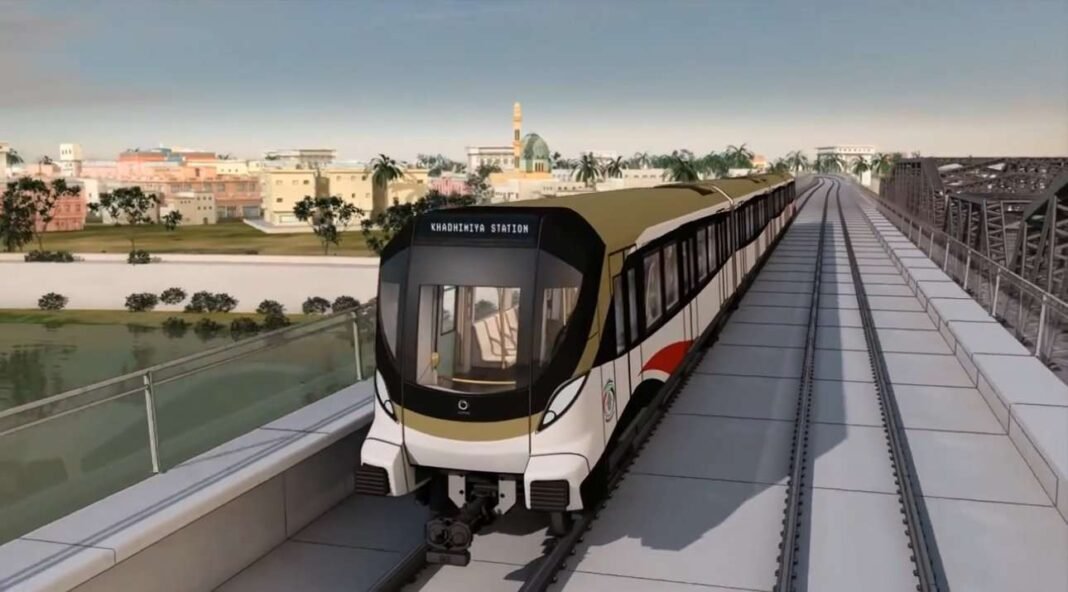
Iraq plans a new transport approach for its capital city. Leaders review urban growth and rising traffic pressure. They promote the Baghdad Metro vision as a long-term solution. This plan supports better movement across the city. Moreover, it responds to fast population growth. Therefore, officials rethink routes and system design.
Baghdad has expanded far beyond earlier borders. The population increase strains roads and services. Consequently, leaders seek stronger public transport options. They focus on integration across transport modes. For example, trains connect with buses and trams. As a result, passengers reach destinations without delays. This structure reduces traffic jams across busy districts.
Planners place the metro at the system center. This decision supports fast travel across long distances. Meanwhile, buses handle local travel needs. Trams also serve crowded business areas. Together, these options reduce car dependence. Therefore, the city gains cleaner streets and smoother flow.
Engineers study route types carefully. They examine surface lines for open spaces. As well as, consider elevated tracks for dense zones. They also plan underground routes for central districts. Each option serves a clear purpose. Costs guide these decisions strongly. Surface lines need lower spending. Elevated lines cost more but save space. Underground routes require heavy investment. Thus, planners limit underground construction.
International institutions show strong interest in cooperation. These groups offer finance and expertise. They support planning and risk analysis. In addition, they share lessons from global metro projects. Iraq benefits from this shared experience. Officials also request proposal reviews. These reviews test funding models and designs. They also check long-term sustainability.
Government meetings bring local and foreign experts together. These experts study metro systems in other countries. They adapt successful ideas to Baghdad conditions. Therefore, planners avoid unsuitable designs. This method improves project efficiency and outcomes.
The metro network includes several long routes. Each route serves residential and commercial zones. Together, they cover most of the capital. Future extensions may reach nearby areas. This expansion supports economic growth. It also improves access to jobs and services.
Many global companies join the project process. They provide design, construction, and operation skills. They also assist with financing plans. This cooperation speeds progress. The Baghdad Metro vision guides every stage. It links infrastructure growth with daily needs. It also supports business activity and employment.
Leaders aim for a modern transport system. They want faster travel and safer streets. They also seek better quality of life. Through planning and cooperation, the city moves forward. The Baghdad Metro vision remains central to this goal.