

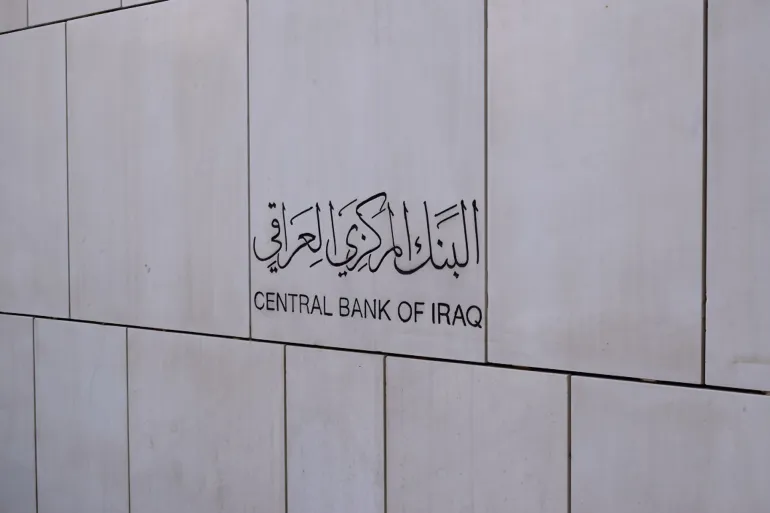
Iraq continues to reduce its internal public debt by making steady repayments. The Central Bank announced a small but clear drop in total debt. As of the latest update, the Iraq internal public debt stands at 85.503 trillion Iraqi dinars.
This marks a decrease from the previous total, which reached 85.536 trillion dinars. Financial institutions contributed to this change. They lowered their loan holdings from 19.152 trillion dinars to 19.119 trillion dinars. This consistent decline reflects improved fiscal management.
Meanwhile, the Ministry of Finance holds a separate part of the debt. It owes 756 billion dinars directly, showing a continued reliance on treasury-based instruments. These amounts form a core part of Iraq’s overall debt structure.
In addition, treasury transfers play a large role in Iraq’s internal debt. Commercial banks and the Central Bank hold 51.030 trillion dinars in treasury transfer debt. Another 2.030 trillion dinars are tied directly to the Ministry of Finance through special treasury transfers. Together, these instruments form the backbone of Iraq’s short-term borrowing strategy.
However, Iraq still owes a portion of debt to domestic groups. Farmers hold 12.568 trillion dinars in deferred payments. These arrears remain part of the broader national debt and will require long-term attention. The government continues to monitor these obligations while managing other economic challenges.
Although the decrease in the Iraq internal public debt appears modest, it highlights important financial discipline. Repaying loans on schedule boosts confidence in Iraq’s economy. It also allows room for improved fiscal planning.
The Central Bank maintains close oversight over all components of public debt. By tracking treasury instruments, loan repayments, and deferred obligations, it provides transparency. This transparency supports investor trust and financial stability.
Going forward, the Ministry of Finance may seek more structured repayment schedules. This could reduce reliance on short-term treasury transfers. At the same time, financial institutions may continue reducing their debt portfolios. These combined actions will shape the future of Iraq’s fiscal health.
In summary, the recent drop in the Iraq internal public debt shows progress. Iraq moves step by step toward improved financial stability through careful debt management.