

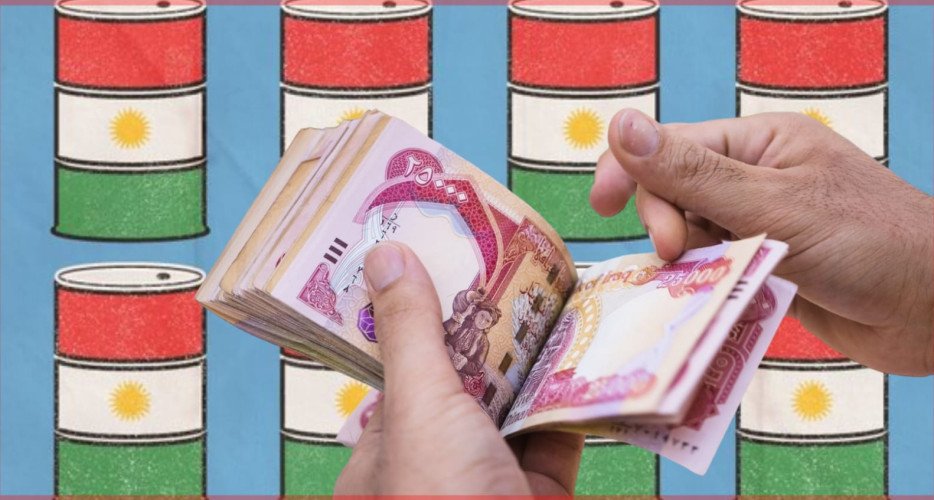
Iraq faces renewed fiscal debate as the Kurdistan financial gap draws national attention. The Kurdistan Regional Government reports a major funding shortfall from federal transfers. Therefore, officials describe the situation as a financial gap. Moreover, they warn of blocked investment and stalled development. The Iraq Kurdistan financial gap shapes current economic tensions.
First, regional authorities review constitutional budget rights. They calculate total entitlements over a three-year period. These rights reached 58.3 trillion Iraqi dinars, equal to about 44.8 billion dollars. However, actual transfers reached only 24.3 trillion dinars, near 18.7 billion dollars. As a result, the Region received only 41 percent of its financial share. This amount equals about 3.9 percent of the national federal budget.
In addition, officials highlight investment funding disparities. The federal budget allocated 165 trillion dinars, or about 126.9 billion dollars, for nationwide investment. Despite this allocation, the Kurdistan Region received zero dinars for investment projects. Consequently, many infrastructure projects stopped. Roads, utilities, and public facilities faced delays. The Iraq Kurdistan financial gap widened further.
Meanwhile, the oil sector added more pressure. Regional leaders report heavy losses from export suspension. They estimate losses at 25 billion dollars for the Iraqi economy. This halt affected revenues and market confidence. After exports resumed, the Region delivered 19.5 million barrels through the national marketing system. Therefore, oil flows returned but losses remained.
At the same time, salary payments faced disruption. The federal government did not cover full annual salaries during the three years. Workers missed parts of their monthly pay. Consequently, unpaid dues accumulated. Public employees experienced financial strain. This issue increased social pressure across the Region.
Moreover, the Kurdistan government points to revenue cooperation. During one year, it transferred 919 billion dinars, equal to about 707 million dollars, in non-oil income. Officials describe this transfer as proof of commitment. They argue cooperation continued despite delayed budget receipts. Therefore, they call for balanced financial treatment.
Furthermore, investment confidence weakened during this period. Investors delayed projects due to uncertainty. Banks slowed lending activity. As a result, private sector growth suffered. The Iraq Kurdistan financial gap affected both public and private finances.
Observers note that stable transfers support national unity. Regular funding ensures service delivery. It also encourages investment planning. Therefore, dialogue becomes necessary. Clear mechanisms could reduce disputes. Transparency may rebuild trust.
Ultimately, the Iraq Kurdistan financial gap reflects deeper budget challenges. Numbers show wide differences between entitlement and delivery. These gaps impact salaries, oil revenue, and development. Policymakers now face pressure to resolve funding issues. The Iraq Kurdistan financial gap remains a central economic concern. The Iraq Kurdistan financial gap continues to influence national debate.